Tetouan tanners quarter offers a rare glimpse into a centuries‑old craft that still thrives within the winding lanes of the city’s UNESCO‑listed medina. As you step past the bustling souks of spices, textiles and ceramics, the faint scent of leather and the rhythmic splash of water guide you toward a hidden enclave where artisans work in bathtubs set into the stone floor, just as their predecessors did long before modern factories appeared on the horizon. Exploring this area not only reveals the tactile heritage of leatherworking but also connects you to the broader cultural tapestry of Tetouan, from its Andalusian architecture to the vibrant local markets that pulse through the old town.
A Walk Through History: The Layout of the Tanners’ Quarter
- Entrance via Bab el‑Okla – The most convenient gate for visitors, Bab el‑Okla opens directly onto the main arteries that lead to the tanners’ workshops. From here, narrow cobblestone streets branch off, each lined with modest storefronts displaying finished leather goods.
- Traditional tanning pits – The heart of the quarter consists of shallow stone basins where hides are soaked, softened and treated with natural tannins. Watching the process is a sensory experience: the steady murmur of water, the occasional clink of tools, and the skilled hands of workers who have inherited techniques passed down through generations.
- Artisan workshops – Beyond the pits, craftsmen shape, dye and stitch leather into everything from handbags and belts to intricately embossed slippers. Many workshops welcome curious visitors, offering brief explanations of each step and the opportunity to purchase a handcrafted souvenir at a fair price.
Andalusian Architecture: A Living Canvas
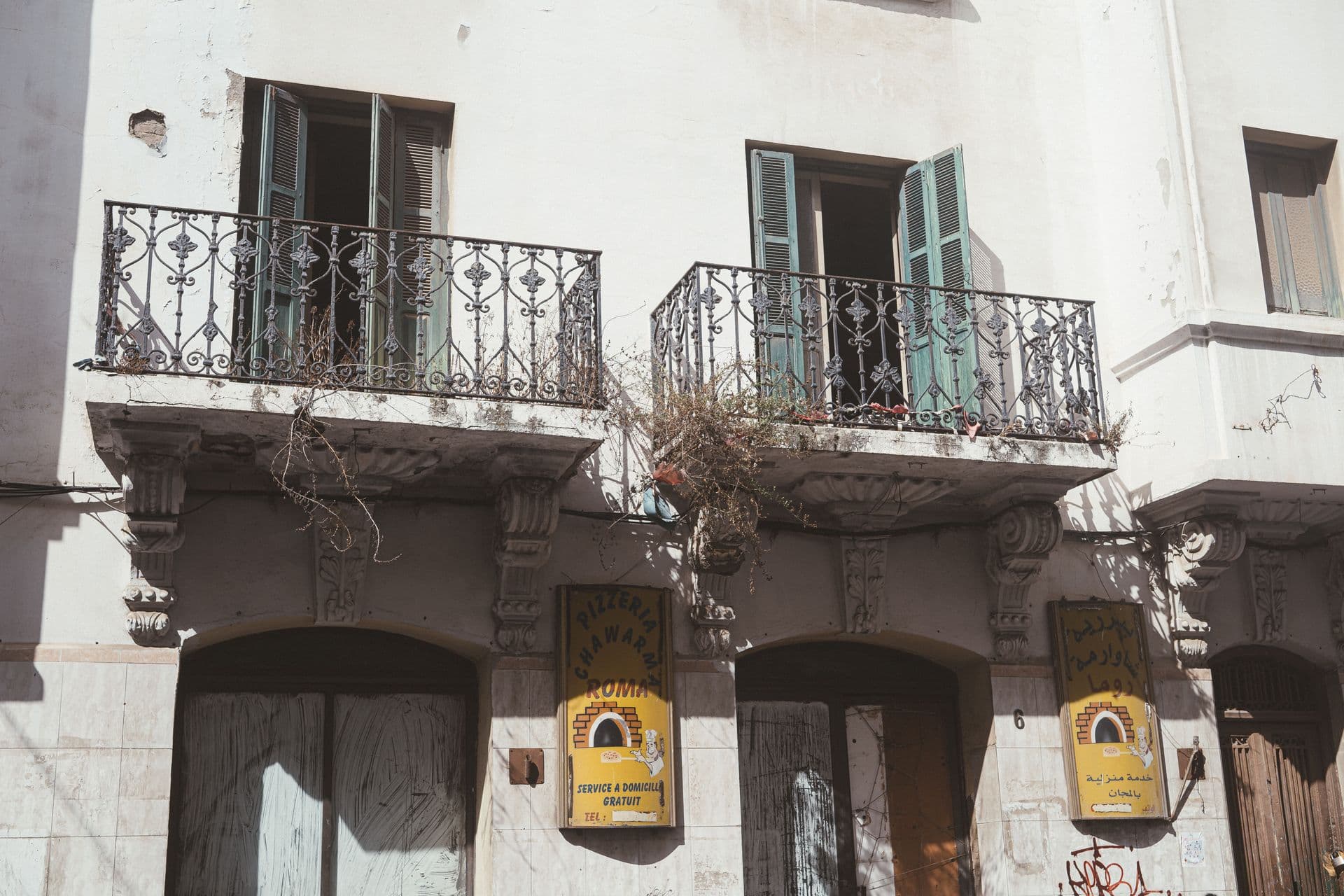
Tetouan’s medina is celebrated for its strong Andalusian influence, a legacy of the city’s historic ties to Spain’s southern region. The white‑washed façades, ornate wooden doors and delicate plasterwork create a harmonious backdrop for the tanners’ quarter. As you wander, notice the following architectural highlights:
- Whitewashed façades – Buildings are painted in soft, pastel tones that reflect the Mediterranean light, giving the quarter a luminous quality especially in the early morning or late afternoon.
- Arched doorways and windows – These elements echo the Moorish arches found in Andalusian homes, providing both aesthetic appeal and practical ventilation for the leather workshops.
- Tilework (zellige) – Colorful geometric tiles often frame doorways and courtyards, adding a splash of pattern that contrasts beautifully with the earthy tones of the leather pits.
The seamless blend of functional craft spaces with elegant Andalusian design underscores Tetouan’s reputation as a city where art and industry coexist.
Souks and Sensory Delights
Just a short stroll from the tanners’ quarter lies the bustling souk network that divides into food and craft sections. Here, the aroma of freshly baked khobz mingles with the spice‑laden perfume of cumin, paprika and saffron. Highlights include:
- Craft souk – In addition to leather, you’ll find stalls selling woven baskets, embroidered textiles and hand‑painted ceramics. The craftsmanship mirrors the meticulous care seen in the tanning workshops.
- Food market – Vendors offer a variety of local delicacies such as olives, dried figs, and freshly squeezed orange juice. Sampling these treats provides a flavorful pause before returning to the leather district.
Exploring the souks adds context to the tanners’ quarter, illustrating how the medina’s economy has long been built on a mosaic of artisanal trades.
Cultural Experiences Beyond the Leather
While the tanners’ quarter is a focal point, Tetouan offers several complementary attractions that enrich a day of cultural immersion:
- Archaeological Museum near Bab el‑Okla – A short walk from the leather pits, this museum houses Roman artifacts from the ancient city of Tamuda, including mosaics and bronze objects that narrate the region’s pre‑Arab history.
- Ethnographic Museum at Bab el‑Okla – Housed in a former 16th‑century fortress, the museum showcases traditional dress, musical instruments and domestic objects, all set against panoramic views of the city.
- Spanish Cathedral – Located just off the main square, this striking building reflects Tetouan’s Spanish colonial past and now serves as a venue for concerts and cultural events.
These sites can comfortably fit into a full‑day itinerary, allowing you to experience both the historic depth and the living culture of Tetouan.
Practical Tips for Visiting the Tanners’ Quarter
- Timing – Early morning or late afternoon provides softer light for photography and a calmer atmosphere in the workshops.
- Footwear – Wear comfortable shoes; the medina’s cobblestones can be uneven, especially around the tanning pits where the floor may be damp.
- Respect the craft – Photography is generally welcomed, but ask permission before snapping close‑up shots of artisans at work.
- Bargaining – While many leather items are priced fairly, a modest negotiation is customary in the souks.
Connecting Your Visit to Other Tetouan Highlights
If you have extra time, consider linking your tanners’ quarter exploration with nearby attractions:
- A private walking tour of Tetouan can provide deeper insight into the medina’s hidden corners and historical anecdotes.
- For a taste of relaxation, a traditional hammam experience offers a soothing contrast to the tactile labor of leather tanning.
For more ideas on how to structure your day, see the guide on Top 5 Tetouan Medina Attractions to Explore and More and the comprehensive itinerary in 3-Day Tetouan Itinerary: Museums, Markets & Tamuda Bay Beach.
Why the Tanners’ Quarter Remains Essential
In an era where mass‑produced goods dominate, Tetouan’s tanners quarter stands as a living museum of sustainable, hands‑on craftsmanship. The continuity of technique—from soaking hides in stone‑set bathtubs to hand‑stitching leather—offers travelers an authentic connection to the city’s past and present. Moreover, the quarter’s integration within the Andalusian‑styled medina creates a cohesive narrative: a place where architecture, trade and daily life intertwine to form a vibrant cultural mosaic.
Takeaway Experience
A visit to the Tetouan tanners quarter is more than a stop on a sightseeing checklist; it is an invitation to witness a craft that has survived centuries of change. By strolling through the leather pits, admiring the white‑washed Andalusian façades, and sampling the flavors of the surrounding souks, you gain a holistic understanding of Tetouan’s identity—a city where history is not confined to museums but is actively lived in the hands of its artisans. Whether you leave with a beautifully hand‑stitched bag, a newfound appreciation for traditional tanning, or simply a memory of the rhythmic splash of water echoing through ancient stone, the experience will linger long after you step beyond the medina’s gates.