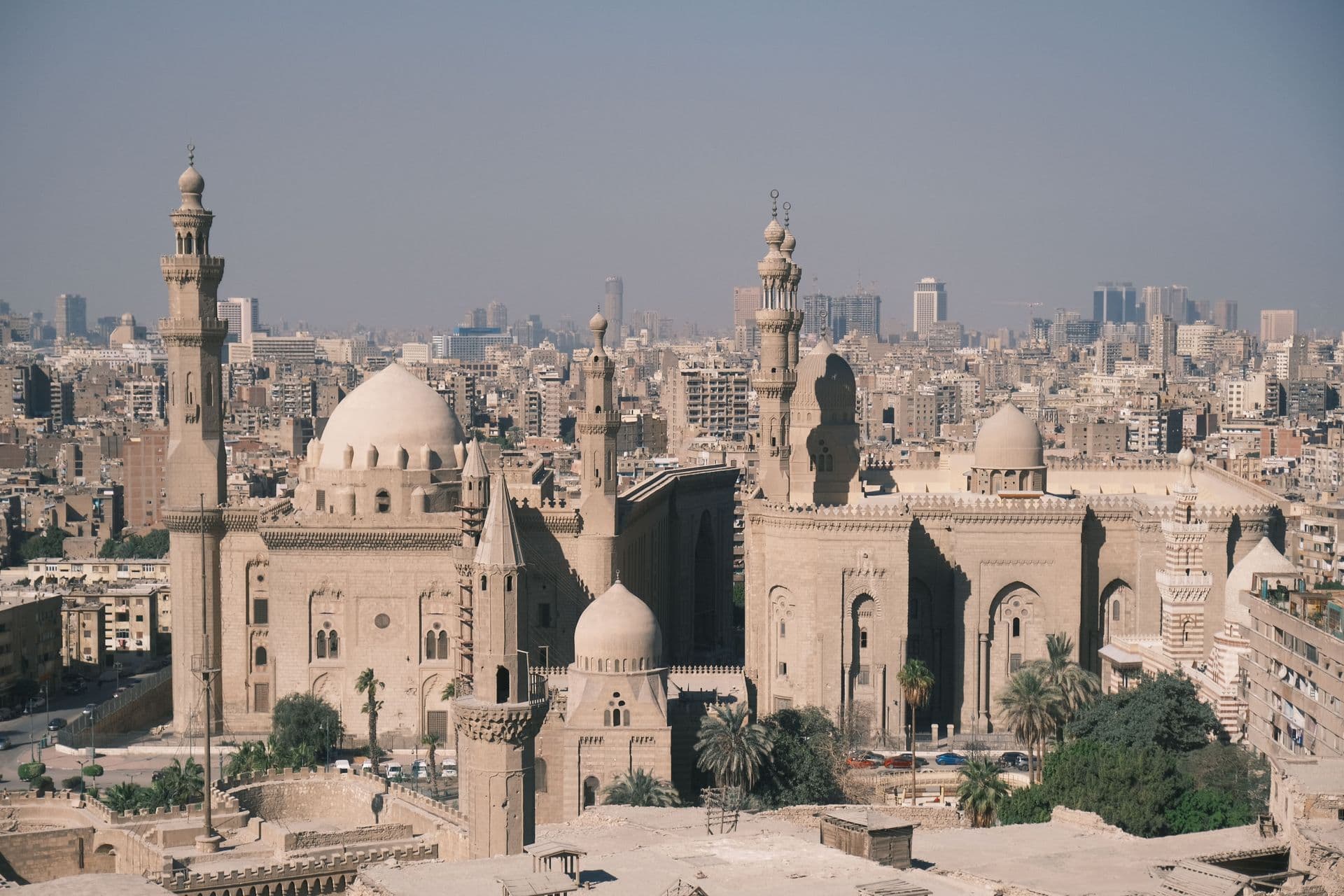
Cairo beyond the pyramids offers a vibrant tapestry of history, culture, and everyday life that can easily eclipse the awe of the ancient tombs. While the Giza plateau draws millions, the heart of Egypt’s capital beats in its bustling souks, soaring mosques, and world‑class museums. Exploring these sites gives travelers a deeper sense of why Cairo has been a crossroads of civilization for millennia.
The Citadel: A Fortress of Faith and History
Perched on the Muqattah Hills, the Citadel of Cairo dominates the skyline and serves as a perfect starting point for a day of discovery. Built by Saladin in the 12th century, the complex was the seat of Egyptian government for nearly seven hundred years. Today it houses three museums and the iconic Mosque of Muhammad Ali, often hailed as the most beautiful mosque in the city. Non‑Muslims are welcome inside, making it an inclusive cultural highlight.
Inside the citadel, the Al‑Gawhara Palace Museum showcases opulent rooms from the early 19th century, while the Military Museum offers a concise look at Egypt’s modern armed forces. The site opens at 8:00 am and closes at 5:00 pm, giving ample time to wander the courtyards, climb the terraces, and capture panoramic views of historic Cairo and, on clear days, the distant pyramids.
Khan el‑Khalili: The Soul of Cairo’s Bazaar
No visit to Cairo beyond the pyramids feels complete without losing yourself in Khan el‑Khalili, the city’s most famous market. Founded in the 14th century, this UNESCO World Heritage bazaar is a labyrinth of narrow alleys lined with copperware, textiles, spices, and intricate jewelry. The market’s lively cafés invite a pause for mint tea while you watch locals haggle over handcrafted souvenirs.
The market operates from 8 am to 5 pm, offering both a bustling daytime crowd and a quieter late‑afternoon atmosphere. Prices are negotiable, so a friendly smile and a modest offer often lead to a rewarding purchase.
Al‑Muizz Street: An Open‑Air Museum of Islamic Architecture
Just a short walk from the bazaar, Al‑Muizz Street stretches through Islamic Cairo like a living museum. Each stone façade tells a story of the city’s golden age, with centuries‑old mosques, madrassas, and mausoleums lining the thoroughfare. Highlights include the Mosque of Ibn Tulun, one of the oldest standing mosques in Egypt, and the historic Al‑Hussein Mosque, whose courtyard buzzes with worshippers and vendors alike.
Strolling this street offers a rare chance to see intricate stonework, wooden mashrabiya screens, and delicate calligraphy up close. The atmosphere is especially magical at sunset, when the street lights flicker on and the silhouettes of minarets create a timeless skyline.
National Museum of Egyptian Civilization (NMEC): A Modern Narrative
A short metro ride from the historic core brings you to the National Museum of Egyptian Civilization, a contemporary institution that bridges ancient heritage with modern Egyptian identity. The museum’s opening hours run from 9:00 am to 5:00 pm, with the last ticket admitted at 4:00 pm, allowing a comfortable half‑day visit.
Among its most compelling spaces is the Royal Mummies Gallery, where visitors can glimpse the preserved bodies of pharaohs in a setting that balances reverence with accessibility. The chronological galleries trace Egypt’s evolution from prehistoric times through the Islamic era, offering context that enriches a later stop at the Grand Egyptian Museum.
Grand Egyptian Museum (GEM): The New Crown Jewel
Just across the bridge from the Giza Plateau, the Grand Egyptian Museum stands as Cairo’s newest and largest cultural landmark. While the pyramids dominate the western horizon, GEM houses thousands of artifacts, including the complete Tutankhamun collection, in a climate‑controlled environment. Even a brief two‑hour tour allows you to appreciate the museum’s architectural grandeur and the meticulous curation of Egypt’s most treasured objects.
Coptic Cairo: A Quiet Counterpoint
Venturing into the western part of the city, Coptic Cairo offers a serene contrast to the bustling Islamic quarter. This compact district is home to the Hanging Church, the Church of St. Sergius, and the Ben Ezra Synagogue, all nestled within narrow lanes that whisper stories of early Christianity in Egypt. While not a market or museum, the area’s historic churches and ancient stone walls provide a reflective pause in an itinerary packed with sensory overload.
Practical Tips for Exploring the City
- Transportation: Cairo’s metro system connects major attractions efficiently. The closest station to the National Museum of Egyptian Civilization is Mar Gerges; from there, a short taxi or rideshare will get you to the museum’s entrance on El‑Fustat Road.
- Guided Tours: For deeper insight into the religious and artistic significance of the city’s mosques and markets, consider hiring a knowledgeable guide. A guide can illuminate hidden details, from the symbolism of calligraphic inscriptions to the origins of traditional crafts sold in Khan el‑Khalili.
- Dress Code: When visiting mosques, modest attire is required—long sleeves, long trousers or skirts, and a headscarf for women. Most major sites provide scarves at the entrance for visitors who forget.
- Timing: Arriving early at popular sites like the Citadel and the Grand Egyptian Museum helps you avoid crowds and the midday heat. Evening visits to the bazaars reveal a different, more relaxed side of Cairo’s nightlife.
Culinary Interludes: Taste of the City
Between cultural stops, Cairo’s food scene offers quick yet unforgettable experiences. Street vendors near Al‑Muizz Street serve falafel (ta‘amiyya) and ful medames, while the cafés surrounding Khan el‑Khalili specialize in strong Egyptian coffee and sweet pastries such as baklava. A short detour to a rooftop restaurant in Islamic Cairo rewards you with panoramic views of the city’s domes and minarets while you savor grilled kofta or a traditional mezze platter.
Putting It All Together: A Sample Day Itinerary
1. Morning – Citadel & Mosque of Muhammad Ali – Start at 8:00 am, explore the fortifications, then admire the mosque’s interior and the city vista from the terrace. 2. Mid‑Morning – Al‑Gawhara Palace Museum – Walk through the opulent rooms, learning about Muhammad Ali’s dynasty. 3. Late Morning – Al‑Muizz Street Walk – Stroll down the historic lane, stopping at the Mosque of Ibn Tulun and Al‑Hussein Mosque. 4. Lunch – Local Café – Enjoy a quick meal of koshary or grilled chicken with a side of fresh salad. 5. Afternoon – National Museum of Egyptian Civilization – Arrive before 2:00 pm to explore the Royal Mummies Gallery and the chronological exhibits. 6. Late Afternoon – Khan el‑Khalili – Wander the market’s alleys, shop for souvenirs, and sip tea in a traditional coffee house. 7. Evening – Coptic Cairo or Nile Riverside – Choose a quiet walk among ancient churches or unwind at a riverside venue with views of the illuminated cityscape.
Why Cairo Beyond the Pyramids Is a Must‑See
The pyramids are undeniably iconic, but the true pulse of Cairo lies in its layered neighborhoods, each offering a distinct narrative. From the fortified grandeur of the Citadel to the bustling energy of Khan el‑Khalili, from the scholarly halls of NMEC to the spiritual serenity of Coptic churches, the city invites travelers to experience a living museum where past and present coexist. By venturing beyond the desert silhouettes, you’ll discover a capital that is as dynamic as it is historic—a place where every street corner, minaret, and market stall tells a story worth hearing.
For more day‑trip ideas, see our guides to the Hercules Caves Day Trip from Tetouan to Cap Spartel and the Tetouan to Chefchaouen Day Trip: Blue City & Akchour Falls.