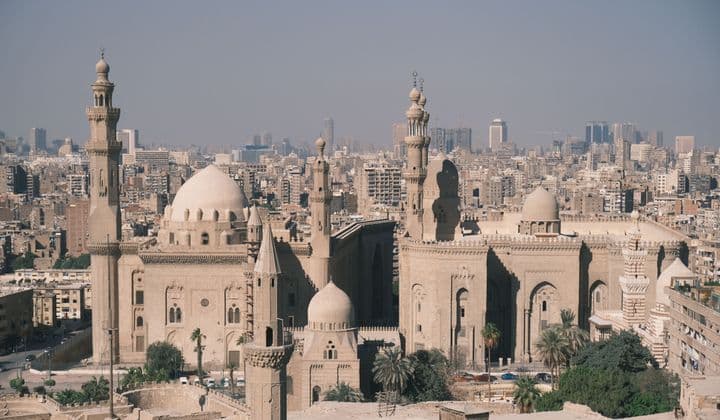
Tetouan’s medina is a living tapestry of Andalusian elegance, Moorish history and vibrant Moroccan daily life, making it a magnet for travelers who crave authentic cultural immersion. Among the winding alleys and white‑washed façades, a handful of sites stand out as essential stops. Whether you have a single day or a leisurely two‑day itinerary, the following tetouan medina attractions will give you a well‑rounded glimpse of the city’s past and present.
Khalifa Palace (Royal Palace)
The imposing Khalifa Palace, often referred to as the Royal Palace, dominates the heart of the medina. Built in the early 20th century during the Spanish protectorate, its blend of Moorish arches and European neoclassical touches reflects Tetouan’s unique cross‑cultural legacy. Visitors can admire the ornate façade, the intricately carved wooden doors and the tranquil inner courtyard, which is surrounded by lush orange trees. While the interior is generally reserved for official functions, the exterior alone offers a striking photo opportunity and a sense of the city’s regal past. Guided walking tours of the medina frequently include a stop here, allowing you to place the palace in the broader context of Tetouan’s historic urban layout.
Archaeological Museum
A cornerstone of the city’s cultural scene, the Archaeological Museum houses a remarkable collection of artifacts that trace Tetouan’s roots from prehistoric settlements to the Islamic era. Highlights include ancient coins, pottery shards, mosaics and stone inscriptions that tell the story of two earlier cities that rose and fell before the present‑day town was founded in the 15th century. The museum’s layout is intuitive, with each gallery dedicated to a specific period, making it easy for visitors to follow the chronological narrative. Admission is modest, and the museum is free on the first Friday of each month, offering a budget‑friendly way to deepen your understanding of the region’s layered history.
Grand Mosque (Grande Mosquée)
Standing as the largest mosque in Tetouan, the Grand Mosque is a masterpiece of Moroccan religious architecture. Its soaring minaret, whitewashed walls and elegant horseshoe arches create a serene atmosphere that contrasts with the bustling souks nearby. Non‑muslim visitors are welcome to explore the courtyard and admire the intricate tilework (zellige) that decorates the interior. The mosque’s central location makes it an ideal waypoint between other attractions, and a brief pause here provides a moment of quiet reflection amid the medina’s lively streets.
Ethnographic Museum (Bab Okla)
Housed within the historic Bab Okla gate, the Ethnographic Museum offers an intimate look at traditional Tetouani life. Small but richly curated, the museum displays everyday objects such as woven textiles, wooden furniture, traditional clothing and tools used in local crafts. Each exhibit is accompanied by concise explanations that illuminate the social customs, culinary practices and artisanal techniques that have defined the city for generations. The museum’s setting inside a former city gate adds an extra layer of authenticity, allowing visitors to feel the pulse of Tetouan’s past as they wander through its compact galleries.
Centre d’Art Moderne (Modern Art Museum)
Located in a renovated former train station on Avenue Mohammed V, the Centre d’Art Moderne celebrates the “Tetouan School” of painting, a movement that has left an indelible mark on contemporary Moroccan art. The museum’s collection features works by both established masters and emerging talents from the city’s renowned art academy. Visitors can admire vibrant canvases that blend Andalusian motifs with modern abstraction, as well as occasional temporary exhibitions that showcase regional craft traditions. The venue’s adaptive reuse of historic railway architecture creates a striking backdrop for the artworks, making it a must‑see for culture enthusiasts.
Practical Tips for Exploring the Medina
- Time needed: One to two days is ideal for a relaxed exploration of the medina, allowing ample time for each attraction and for wandering the souks.
- Getting around: The medina’s narrow lanes are best navigated on foot. Comfortable walking shoes are essential, and a local guide can enrich the experience with stories and historical context.
- Shopping and snacks: The nearby Kissaria Market offers a colorful array of spices, ceramics and textiles. Stop for a glass of fresh mint tea at a rooftop café to recharge before continuing your tour.
- Combined museum ticket: A single ticket covering the Archaeological Museum, Ethnographic Museum and Centre d’Art Moderne is available for a modest price, providing savings and convenience.
Beyond the Medina: Day Trips and Extensions
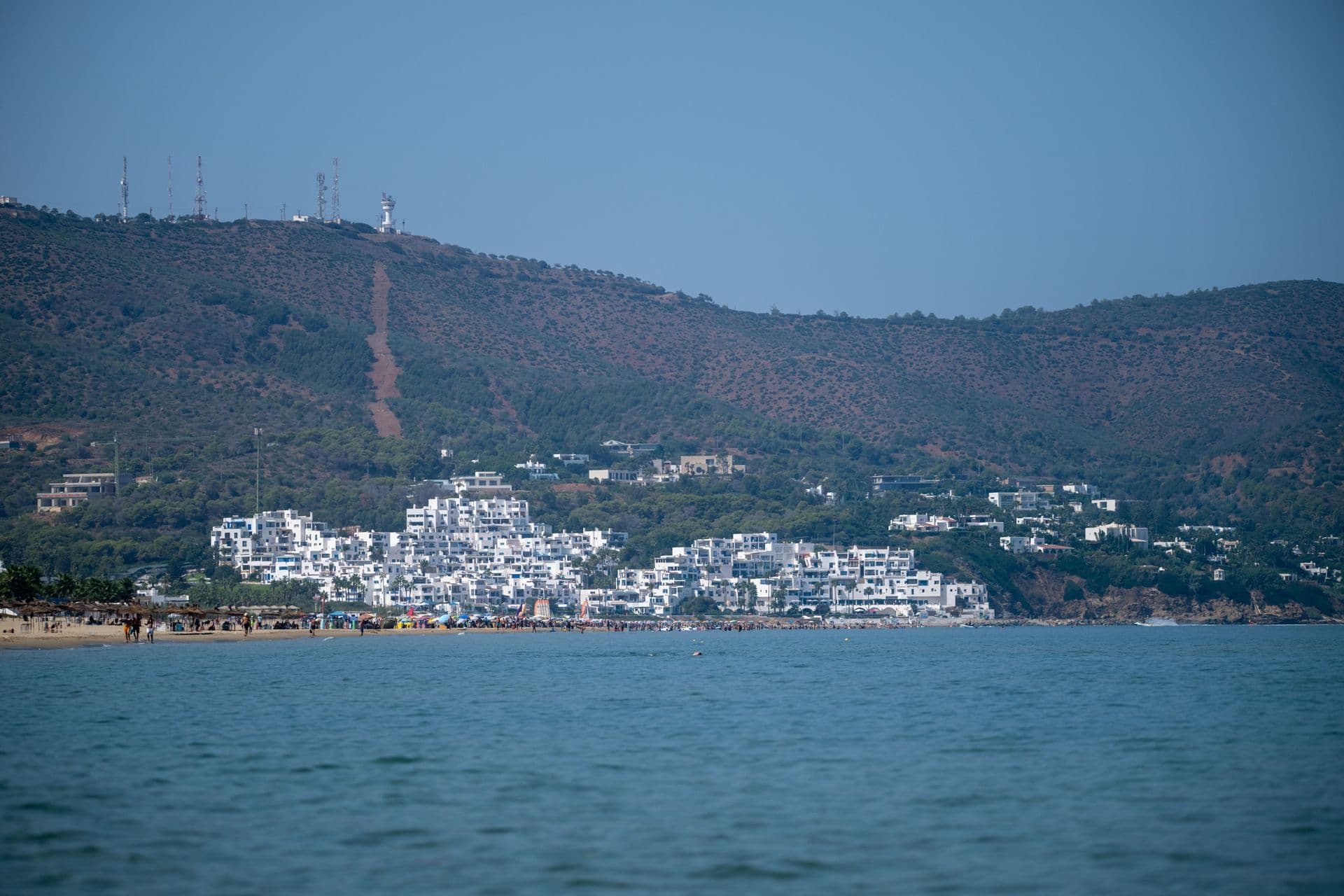
If you find yourself with extra time after soaking up the medina’s highlights, consider a short drive to the Mediterranean coast. The pristine beaches of Cabo Negro and Tamuda Bay are just a few minutes away, offering a refreshing contrast to the historic streets. For a deeper dive into the region’s natural beauty, the Rif Mountains provide scenic hiking trails and panoramic vistas. Detailed itineraries for these excursions can be found in related guides such as the 3‑Day Tetouan Itinerary: Museums, Markets & Tamuda Bay Beach and the Tetouan to Chefchaouen Day Trip: Blue City & Akchour Falls.
Putting It All Together
A well‑planned visit to the tetouan medina attractions can be comfortably achieved in a single day if you prioritize the palace, museum and mosque, then weave in the ethnographic and modern art sites as time permits. For a more leisurely pace, allocate a full morning to the Archaeological Museum and Ethnographic Museum, enjoy a leisurely lunch in a traditional riad, and spend the afternoon exploring the Grand Mosque and Centre d’Art Moderne. Finish the day with a stroll through the bustling souks, where you can pick up handcrafted souvenirs and sample local delicacies like pastilla and caldo de pescado.
Tetouan’s medina is more than a collection of historic buildings; it is a living, breathing environment where centuries of cultural exchange converge. By visiting these five key attractions, you’ll walk the same paths once trodden by Andalusian refugees, Spanish administrators and Moroccan artisans, gaining a nuanced appreciation for a city that continues to inspire curiosity and wonder.