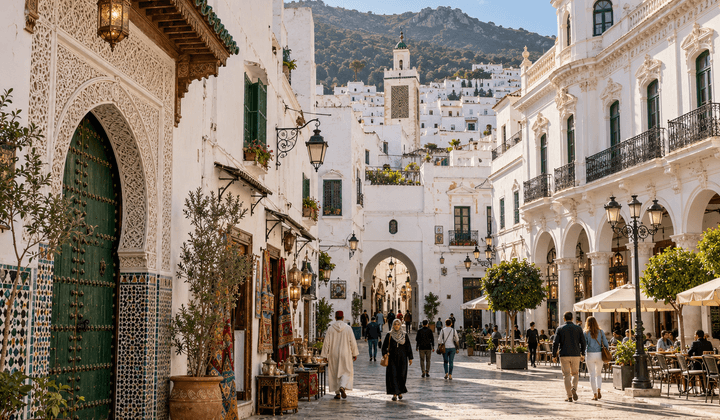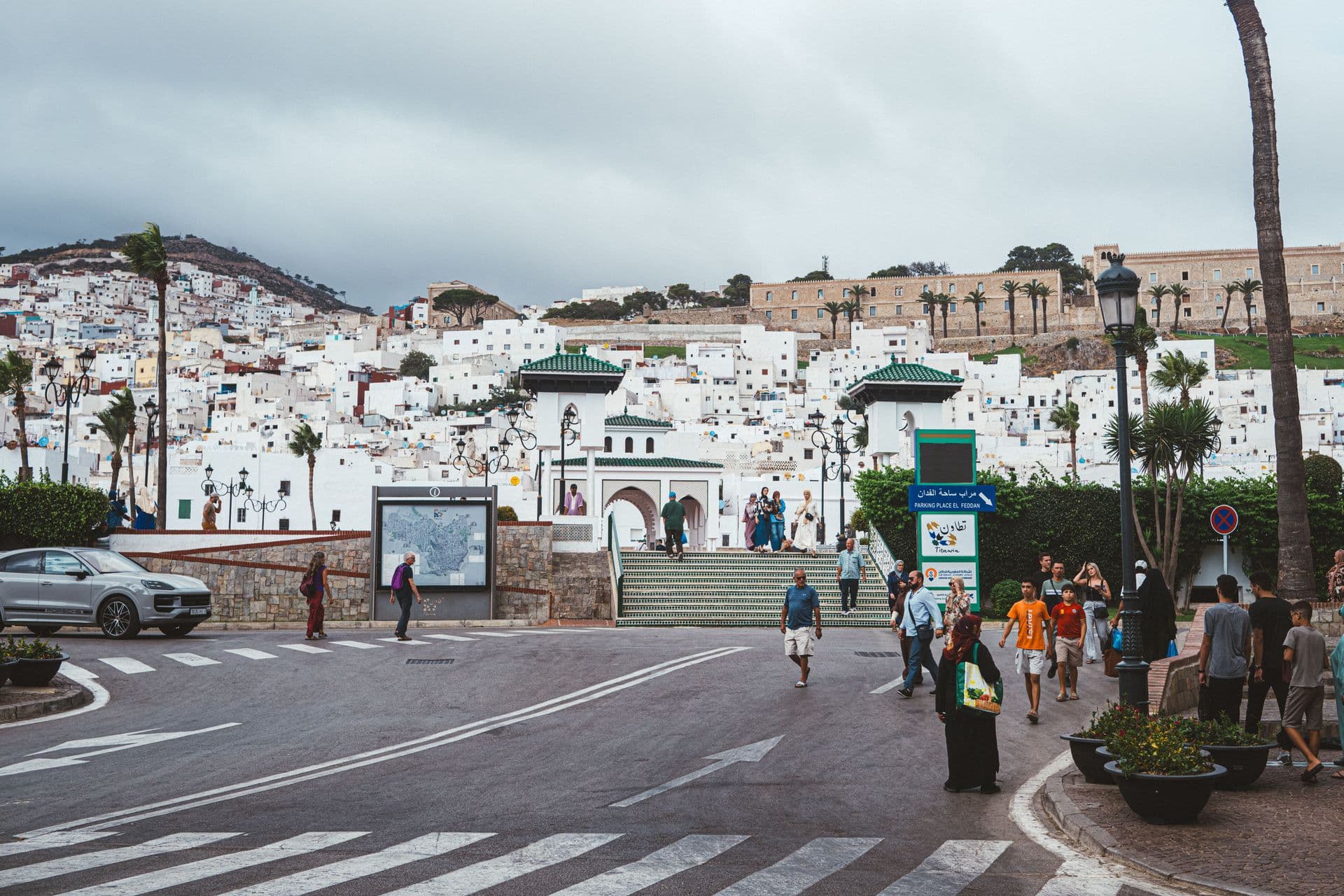
A well‑planned Tetouan itinerary blends Andalusian charm, bustling markets, and a short trip to the Mediterranean. Nestled between the Rif mountains and the sea, the city offers a compact yet richly layered experience that can be comfortably explored in three days. From wandering the winding lanes of the UNESCO‑listed medina to admiring Roman mosaics and finally unwinding on the golden sands of Tamuda Bay, each day reveals a different facet of northern Morocco’s cultural and natural heritage.
Day 1 – Arrival, Medina Walk and First Flavors
Settle into a riad or boutique hotel within the medina walls. A gentle morning stroll lets you absorb the atmosphere before the streets fill with shoppers and locals.
- Bab el‑Oqla Gate – Use this historic entrance as your point of orientation. The gate opens onto a lively square where street musicians often perform.
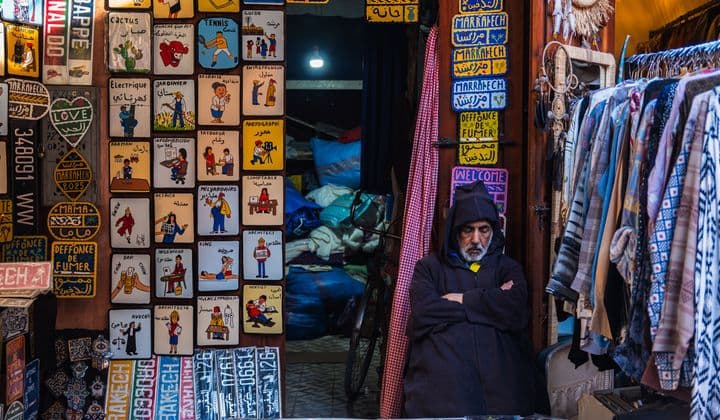
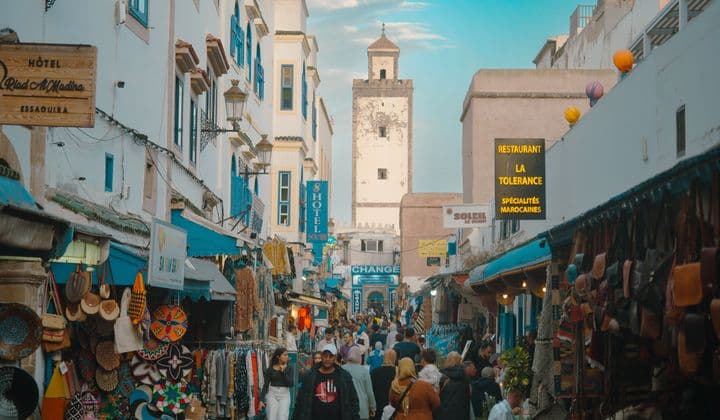
- Grand Souk (Souk al‑Kebir) – Beyond the gate, the main market stretches for several blocks. Here you’ll find hand‑woven blankets, leather slippers, fragrant spices and traditional ceramics. Take time to haggle politely; the experience is as much about conversation as purchase.
- Café al‑Mansour – Pause for mint tea or fresh orange juice at one of the medina’s shaded cafés, watching the market’s rhythm from a low table.
After lunch, head toward the Plaza of the Republic, a spacious open area that often hosts cultural events and occasional art exhibitions. The surrounding streets are lined with boutiques selling embroidered garments and locally made jewelry. As the sun lowers, walk up to the Medi‑Tétouan viewpoint for panoramic shots of red‑tiled roofs against the Rif foothills.
Finish the evening with a dinner of tagine or couscous at a family‑run restaurant inside the medina. Many establishments flavor dishes with preserved lemons, olives and a hint of ras el hanout, reflecting Tetouan’s Andalusian culinary legacy.
Day 2 – Museums, Craft and Market Immersion
The second day delves deeper into Tetouan’s artistic and archaeological heritage. Both museums are conveniently located near the medina’s central arteries, making them easy to combine with a second round of market exploration.
- Archaeological Museum (near Bab el‑Oqla) – Housed in a modest building just outside the gate, this museum showcases artifacts recovered from the nearby Roman site of Tamuda, including mosaics, ceramics and bronze objects that narrate the region’s pre‑Islamic history.
- Museum of Moroccan Arts (formerly a 16th‑century fortress) – A short walk from the archaeological museum, this former fortress displays traditional dress, musical instruments, embroidery and tile work. The historic walls add a sense of continuity, reminding visitors that Tetouan has long been a crossroads of artistic exchange. Both museums close for lunch and on Tuesdays; confirm current hours before you go.
Return to the medina for a deeper market experience:
- Souk al‑Khadra – Specialising in textiles, this market offers hand‑dyed fabrics, ready‑to‑wear garments and intricate zellij (tile) patterns. Shopkeepers often demonstrate weaving techniques or explain motif symbolism.
- Spice Alley (Rue des Épices) – Follow the fragrant trail of cumin, saffron, paprika and preserved lemons. Small stalls sell ready‑made spice mixes perfect for recreating Moroccan flavours at home.
- Artisan Workshops – Tucked away in narrow lanes, a few workshops allow visitors to watch craftsmen at work, whether a leather artisan hand‑stitching babouches or a potter shaping clay on a wheel.
For dinner, venture just outside the medina to a restaurant that blends traditional Moroccan cuisine with a modern twist, often incorporating fresh seafood from the nearby coast.
Day 3 – Sun, Sand and Roman Ruins at Tamuda Bay
The final day shifts from historic streets to the tranquil shoreline of Tamuda Bay, located about 15 km east of Tetouan near the resort town of M’diq. The bay is celebrated for its warm, blue Mediterranean waters, golden sand and a backdrop of gently rolling hills dotted with pine forests.
Begin the morning with a relaxed drive or taxi ride to the beach. The contrast between the bustling medina and the serene coastal environment is immediate. The shoreline invites barefoot walks, while the gentle surf is ideal for a casual swim.
- Beach Stroll and Thalassotherapy Centre – A short walk from the main sand stretch leads to a thalassotherapy centre, where mineral‑rich sea water is used for therapeutic treatments. Even without booking a session, the centre’s tranquil gardens provide a peaceful spot for meditation or a quiet read.
- Roman Ruins of Tamuda – Just inland from the beach, the archaeological site of Tamuda offers a glimpse into the area’s ancient past. The ruins consist mainly of foundations, street outlines and wall sections, easy to explore on foot. Informational panels explain the significance of the mosaics and bronze objects now displayed in Tetouan’s Archaeological Museum, creating a satisfying full‑circle experience.
- Picnic on the Shore – Pack a light lunch of fresh fruit, olives, cheese and flatbread from the medina’s market stalls. Eating on the sand while the Mediterranean breeze brushes past adds a simple pleasure to the day.
In the late afternoon, consider a short hike along the coastal trail that connects Tamuda Bay to the nearby fishing village of M’diq. The path offers occasional vistas of the sea and the Rif mountains, perfect for photography enthusiasts.
Return to Tetouan in the early evening. If you still have energy, a final walk through the medina’s illuminated alleys provides a reflective close to your journey. End the night with a glass of Moroccan mint tea at a rooftop café, watching the city lights flicker against the silhouette of the Rif range.
Practical Tips for a Smooth Tetouan Itinerary
- Getting Around – Taxis are readily available and reasonably priced for short trips within the city. For the beach day, a shared taxi or a pre‑arranged driver can take you directly to Tamuda Bay and back.
- Dress Code – The medina is modest; the beach area is more relaxed. Light, breathable clothing is advisable for the coast, but bring a light scarf or shawl for visits to museums and religious sites.
- Language – Arabic and Spanish are commonly spoken; many shopkeepers and guides also understand basic French and English.
- Safety – The city and its beaches are generally safe for tourists. Keep an eye on personal belongings in crowded markets and follow standard beach safety practices when swimming.
Tetouan’s harmonious mix of cultural depth, vibrant markets and a welcoming seaside makes it an ideal three‑day destination. This itinerary balances historic treasures with the restorative allure of the Mediterranean, ensuring that every moment feels both enriching and relaxing. Whether you’re a history buff, a foodie or a beach lover, the rhythm of Tetouan will leave you with lasting memories of Morocco’s “kingdom of light.”