Tetouan 2 day itinerary
Introduction
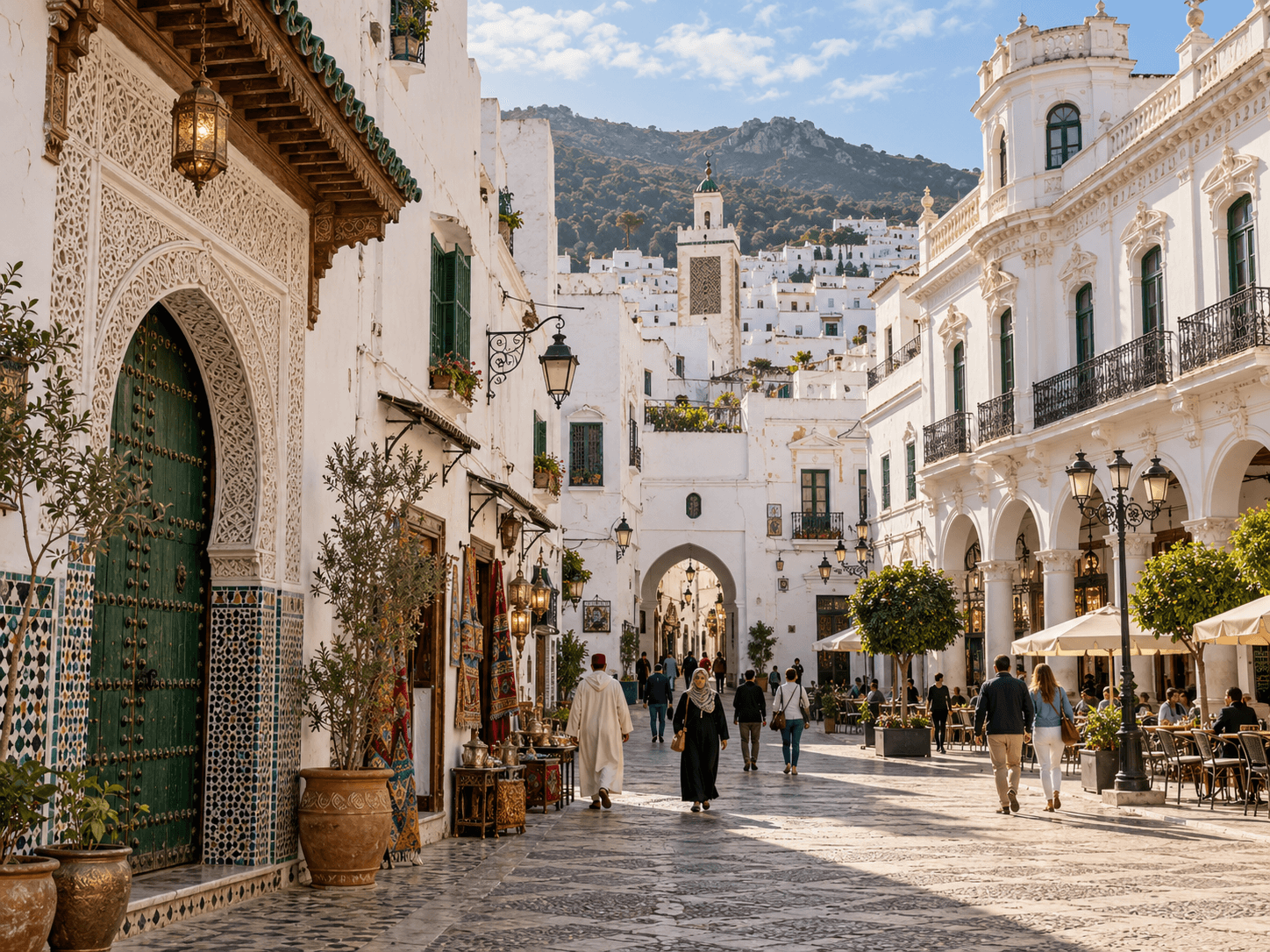
Nestled at the foot of the Rif Mountains, Tetouan offers a rare blend of Andalusian charm and Moroccan tradition. Its UNESCO‑listed medina, a living tapestry of narrow alleys, white‑washed houses and centuries‑old craftsmanship, sits just steps away from the wide, arcaded boulevards of the Spanish‑era Ensanche. With two days you can wander the historic heart, taste the city’s culinary crossroads, and soak up the lingering echo of a once‑flourishing Andalusian refuge. This itinerary balances immersive exploration with relaxed moments, ensuring you leave with a genuine sense of Tetouan’s layered identity.
Day 1 – Morning: Enter the Medina through Place Hassan II
- Place Hassan II (Feddan Square) – Begin your day in the spacious plaza that links the modern town to the old city. The square’s jacaranda‑lined avenues provide a pleasant spot for a quick coffee before you set off.
- Royal Palace (exterior) – From the square, admire the gleaming façade of the Royal Palace. Its intricate zellij portals and green‑tiled roofs are perfect for a brief photo stop; the interior is not open to visitors.
- Bab Okla gate – Walk through this white‑washed gate to cross from the square into the medina’s labyrinth. The gate marks the transition from the open, European‑styled square to the intimate, winding streets of the old town.
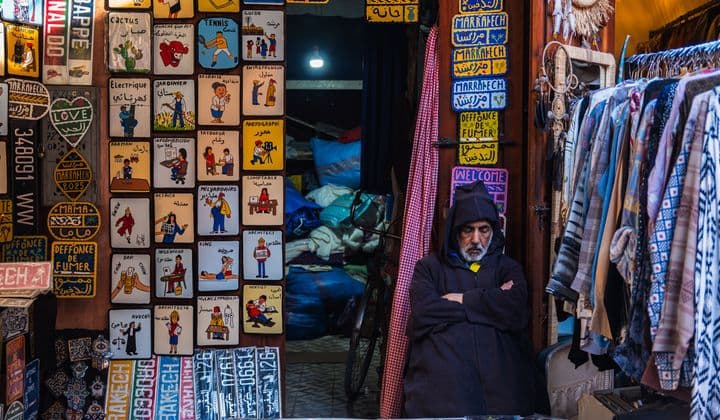
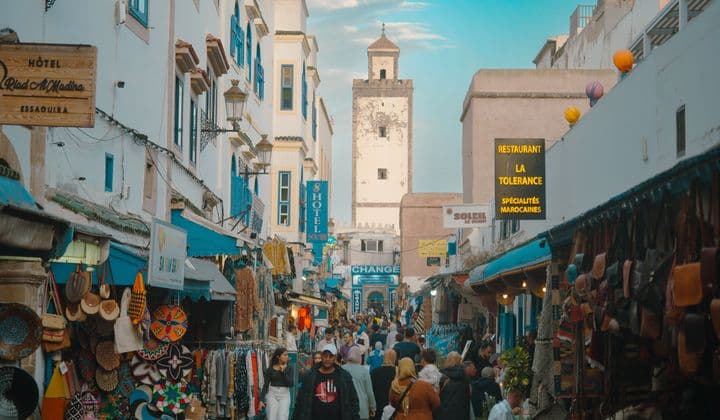
Once inside, let the medina’s rhythm guide you. Meander toward Bab el‑Okla and Souk El Hout, where daily life unfolds around bustling stalls selling fresh fish, spices and handcrafted goods. The UNESCO designation highlights the medina’s well‑preserved Andalusian layout: a network of main streets connecting the historic gates, surrounded by a 5 km wall that still defines the city’s perimeter.
- Mellah (Jewish quarter) – A short detour leads to the historic Mellah, a quiet enclave that offers a glimpse into Tetouan’s multicultural past.
- Dar Dbagh – Tucked away in a side lane, this modest house‑museum showcases traditional Andalusian décor and offers insight into the domestic life of past residents.
- Dar Sanaa – Stop at this artisan school to watch craftsmen at work and, if you wish, purchase authentic Tetouani textiles, ceramics or leather goods directly from the makers.
A leisurely lunch follows your morning wanderings. Choose a medina eatery for a taste of home‑cooked tagine, or head to Restinga, a restaurant known for its fresh seafood and subtle Spanish influences. Both options let you refuel while staying within the historic core.
Day 1 – Afternoon: Discover the Spanish‑Era Ensanche
Leaving the medina, cross the city’s main gate and step onto the broad, tree‑lined avenues of the Ensanche, the Spanish‑built new town that grew during the protectorate period when Tetouan served as the capital of Spanish Morocco.
- Arcaded streets – Stroll along Calle de la Libertad and Calle del Mar, where elegant arches frame the sidewalks, creating shaded walkways perfect for a warm afternoon.
- Art Deco facades – The Ensanche’s architecture reflects 1930s European trends, with clean lines, decorative balconies and pastel‑coloured plaster that contrast sharply with the medina’s earthy tones.
- Spanish Cathedral – Just off the main boulevard, this modest yet striking cathedral features white‑washed walls, arched doorways and carved wooden balconies reminiscent of Granada’s Albaicín neighbourhood.
- Modern Art Museum – A short walk brings you to the museum housed in a former colonial building. Its collection blends Moroccan contemporary art with works inspired by the city’s Andalusian heritage.
Take a pause at a café on Place Hassan II (the same square you began at) for a refreshing mint tea or a light snack. The square’s evening illumination, with the palace lights shimmering in the background, offers a serene backdrop for a brief rest before dinner.
Day 1 – Evening: Dinner in the Heart of Tetouan
Settle into one of the cafés lining Place Hassan II for dinner. Many establishments serve a fusion of Moroccan and Spanish flavours—think grilled sardines drizzled with olive oil, paella‑style rice infused with saffron, and locally sourced olives. The relaxed atmosphere, coupled with the gentle glow of the palace’s exterior lighting, provides an ideal end to your first day.
Day 2 – Morning: Spanish‑Era Walking Tour and Cultural Highlights
Begin the second day with a guided walking tour of the Ensanche’s most emblematic sites.
- Place Moulay El Mehdi – This bustling square is the perfect starting point. Its central fountain and surrounding cafés capture the city’s lively spirit.
- Spanish‑influenced cafés – Choose a café here for breakfast; many serve pastries that blend Moroccan almond flavors with Spanish churro‑like dough.
- Architectural walk – Continue along the main boulevard, noting the harmonious blend of Moorish arches and European balconies. The tour often includes a stop at the former Municipal Palace, now a cultural centre hosting temporary exhibitions.
After the tour, head to the Modern Art Museum (if you missed it on Day 1) for a deeper dive into contemporary creative expressions that echo Tetouan’s historic crossroads.
Day 2 – Afternoon: Return to the Medina for Final Discoveries
Re‑enter the medina for a more focused exploration of its artisan workshops and quieter corners.
- Artisan workshops – Near Bab el‑Okla, small workshops still produce traditional leather goods, embroidered textiles and hand‑blown glass. Watching artisans at work offers a tactile connection to the city’s heritage.
- Local market – The Souk near the Mellah is less frequented by tourists in the afternoon, providing a chance to observe everyday commerce and perhaps pick up fresh fruit or spices for a snack.
- Hidden alleys – Wander the less‑trodden lanes that lead to semi‑private residential courtyards. These passages often reveal intricately carved wooden doors and decorative tilework that exemplify the medina’s Andalusian‑Moorish synthesis.
Wrap up your visit with a light lunch at a modest café in the medina, savoring a simple plate of harira soup or a fresh salad topped with olives and preserved lemons. The relaxed pace allows you to reflect on the city’s layered history before you depart.
Practical Tips for the Tetouan 2 day itinerary
- Footwear – The medina’s cobblestones can be uneven; sturdy, comfortable walking shoes are essential.
- Layers – Tetouan’s elevation means cooler evenings, especially in spring and autumn. A light jacket or sweater will keep you comfortable after sunset.
- Timing – Allocate 2–3 hours for the medina’s core (Bab el‑Okla, Souk El Hout, Dar Dbagh) and another 2 hours for the Ensanche’s arcades and museums. This pacing avoids rush while allowing time for spontaneous stops.
- Language – While Arabic and Spanish are widely spoken, many locals understand basic French and English, especially in cafés and tourist‑focused shops. A few polite phrases in Arabic (“Salam alaykum”) or Spanish (“Gracias”) are always appreciated.
- Photography – The medina’s narrow lanes can be dim; a camera with good low‑light performance or a smartphone with a night‑mode setting will capture the intricate tilework and vaulted arches more clearly.
- Respectful dress – Modest attire (shoulders and knees covered) is advisable when visiting religious sites such as mosques or the Spanish Cathedral.
Final Thoughts
Tetouan’s compact layout makes it possible to experience both its UNESCO‑listed medina and the elegant Spanish‑era Ensanche within a short stay. By following this Tetouan 2 day itinerary, you’ll walk the same streets once trodden by Andalusian refugees, admire the harmonious blend of Moorish and European architecture, and taste a cuisine that mirrors the city’s cultural dialogue. The result is a nuanced portrait of a city that, while often overlooked, rewards the curious traveler with depth, beauty and a palpable sense of history.