Tetouan travel tips are essential for anyone stepping into this charming northern Moroccan city for the first time. With its blend of Spanish influence, UNESCO‑listed medina, and relaxed yet bustling atmosphere, a smooth visit hinges on knowing how to move around, what to wear, and how to stay safe. Below you’ll find practical guidance that will let you focus on the sights rather than the logistics.
Getting Around Tetouan
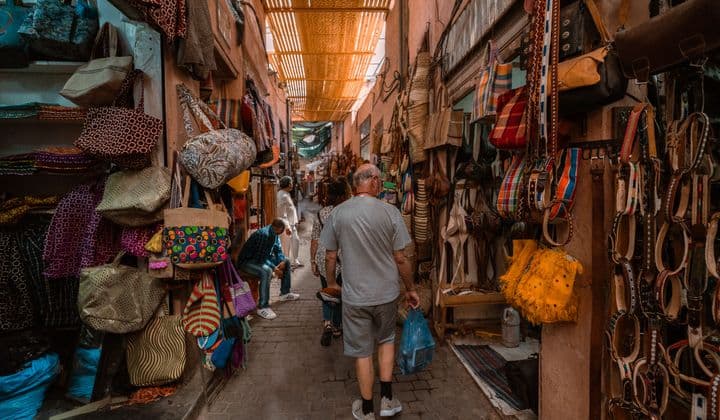
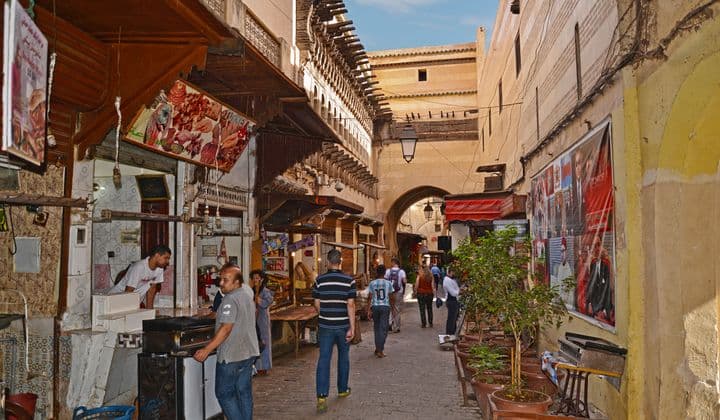
The city’s compact size makes it easy to explore on foot, especially within the historic medina where narrow lanes often lead to hidden workshops and lively souks. For longer distances or trips outside the old town, public transport and taxis are the main options.
- Petit taxis – Small, usually beige vehicles dominate the streets. A typical ride within the city costs between 7 and 10 MAD (well under €1). Taxis do not run on meters, so it’s wise to agree on a price before setting off. Because cash is essential for these trips, keep a supply of small bills handy.
- Bus service – The city bus network connects the medina with the modern districts and the main bus station. A single ride costs about 100 MAD and takes roughly ten minutes to reach the central stop. Buses are a budget‑friendly way to travel, though they can be crowded during rush hour.
- Private transfers – If you arrive via Tangier‑Ibn Battuta Airport (the nearest international gateway, about 75 km north), a private transfer directly to Tetouan is the most convenient choice. The drive along the A4 motorway takes around an hour, and many providers will meet you at the airport terminal.
- Walking – Inside the medina, walking is the best way to soak up the atmosphere. The maze‑like layout can be confusing, but a licensed guide can navigate the labyrinth while sharing stories about the city’s Spanish‑era architecture and local crafts. Even without a guide, a simple map and a confident “la shukran” (no thank you) will help you steer clear of persistent touts around Bab er‑Rouah.
When you venture beyond the city, the nearby Rif mountains and coastal towns such as Chefchaouen and Cabo Negro are easily reachable by shared taxi or organized day‑trip tour. For a deeper dive into local culture, consider the Tetouan Weekend Itinerary for First‑Time Visitors, which outlines convenient transport options for each stop.
Dress Code and Packing Essentials
Tetouan is a Muslim country, yet its dress expectations are more relaxed than in many other Moroccan cities. The city’s Mediterranean vibe and Spanish heritage mean you’ll see a mix of modern and traditional attire, especially in the bustling medina.
- Modest basics – Long, loose trousers or a skirt that reaches the ankle, paired with tops that cover the shoulders, are ideal. Sleeves should extend to at least the elbow, and tight or low‑cut garments are best avoided, particularly when visiting religious sites or the historic Kasbah.
- Scarf – A large, lightweight scarf is useful not only for modesty but also for protection against the sun and occasional dust. It can double as a head covering when entering mosques or the Archaeological Museum of Tetouan.
- Comfortable shoes – Cobblestone streets and uneven pathways demand sturdy, closed‑toe footwear. Sneakers or supportive sandals with good grip will keep you comfortable during hours of walking.
- Layering – Even in summer, evenings can be cool along the coast, so a light jacket or cardigan is advisable. In winter, temperatures may dip, so pack a warmer sweater.
- Language tip – While French is widely spoken, Spanish is the most common language in Tetouan, a legacy of the former Protectorate. Knowing a few basic phrases in Spanish or Moroccan Arabic (Darija) will earn you friendly smiles and smoother interactions with shopkeepers.
For a detailed packing list tailored to women travelers, see the guide on Tetouan Packing List for Women (internal link not provided here but referenced for context).
Safety Overview
Tetouan consistently ranks among the safest Moroccan cities for solo travelers, including solo women. Its reputation stems from a combination of low crime rates, a welcoming local population, and a working‑class vibe that discourages the typical tourist‑trap pitfalls.
- General vigilance – As with any city, keep an eye on your belongings, especially in crowded markets and on public transport. A simple “no thank you” in Arabic or Spanish is an effective way to decline unsolicited offers from street vendors or touts.
- Nighttime travel – The city’s main streets, such as Mohammed V Avenue, remain well‑lit after dark. If you plan to walk at night, stick to these central thoroughfares and avoid isolated alleys within the medina.
- Women’s safety – Female travelers report feeling comfortable moving around alone, particularly when dressed modestly. The local culture respects privacy, and harassment is rare. Nonetheless, it’s prudent to avoid overly revealing clothing and to stay aware of your surroundings.
- Health precautions – Tap water is not generally recommended for drinking; purchase bottled water instead. Street food is a highlight of Tetouan’s culinary scene, but choose stalls that appear clean and busy, as high turnover usually means fresher ingredients.
- Emergency contacts – The national police (Police Nationale) can be reached by dialing 19. Keep a copy of your passport and travel insurance details in a separate bag from the originals.
For a broader safety perspective across northern Morocco, the “Morocco safe guide” section on many travel blogs emphasizes that Tetouan’s low‑key atmosphere makes it a comfortable base for exploring the region.
Practical Tips for First‑Time Visitors
1. Cash is king – While larger hotels and some restaurants accept cards, most small shops, street food vendors, and taxi drivers operate on cash only. Carry enough Moroccan dirhams for daily expenses and keep change for taxi fares.
2. Language shortcuts – A few key phrases in Spanish—“por favor” (please), “gracias” (thank you), and “¿Cuánto cuesta?” (how much?)—go a long way. Younger locals also understand basic English, but a smile and effort in the local tongue are always appreciated.
3. Timing your visit – The best weather in Tetouan falls between March and May or September and November, when temperatures are mild and crowds are thinner. This timing also aligns with the city’s cultural festivals, offering a richer experience.
4. Guided medina tours – Hiring a licensed guide not only streamlines navigation through the maze‑like streets but also helps you avoid aggressive sales tactics. Guides can introduce you to hidden workshops, traditional tanneries, and the best spots for authentic Moroccan tea.
5. Cultural etiquette – When entering a private home or a religious site, it’s customary to remove your shoes. Offering a small gift, such as a box of sweets, is a polite gesture when invited to a local’s home.
Exploring Beyond the Medinas
Tetouan’s strategic location makes it a gateway to several nearby attractions:
- Tétouan Kasbah – A short walk from the medina, the Kasbah offers panoramic views and a glimpse into the city’s historic military architecture.
- Sania Ramel Gardens – Ideal for a quiet interlude, these green spaces provide shade and a pleasant spot for a picnic between sightseeing legs.
- Cabo Negro – A coastal resort area just a short drive away, perfect for a beach day or a seafood lunch. The day‑trip itinerary can be found in the Cabo Negro Day Trip from Tetouan guide.
- Museum visits – Art and archaeology enthusiasts should not miss the Archaeological Museum of Tetouan, which contextualizes the region’s Roman and pre‑Roman heritage. Detailed museum highlights are covered in the Tetouan museum visits: Archaeology and Modern Art highlights article.
Final Thoughts
Armed with these Tetouan travel tips, first‑time visitors can navigate the city’s streets with confidence, dress appropriately for both comfort and cultural respect, and enjoy a safe, enriching stay. Whether you’re wandering the labyrinthine medina, sipping mint tea on a sun‑dappled terrace, or venturing out to the Rif mountains, the city’s warm hospitality and easy‑going rhythm make every moment memorable. Safe travels!