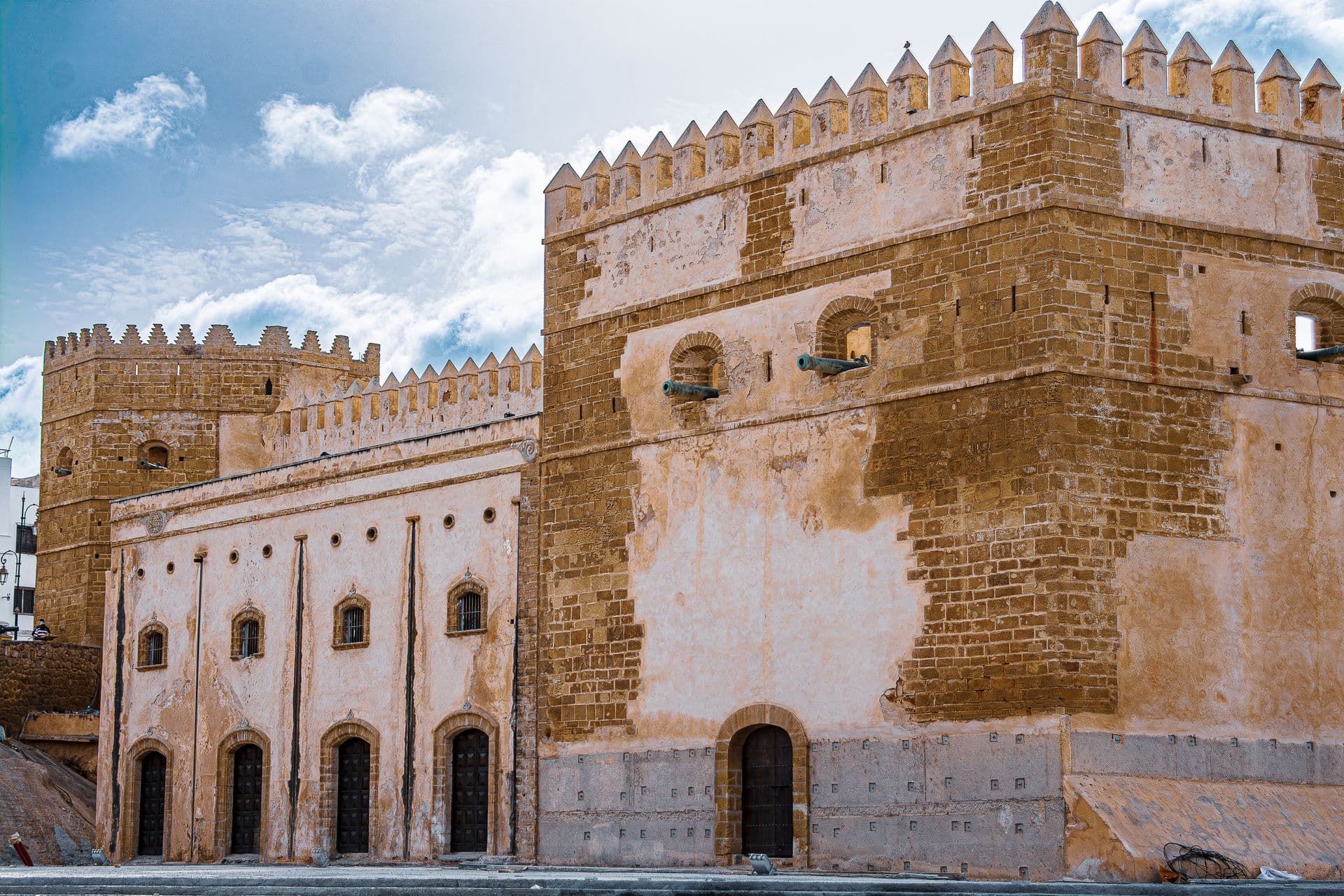
Tetouan museum visits offer a compact yet richly rewarding glimpse into the city’s layered past and its vibrant artistic pulse. Nestled just beyond the bustling medina, the Archaeological Museum and the Museum of Modern Art sit in historic buildings that themselves tell stories of colonial railways and fortified quarters. Together they provide a perfect half‑day itinerary for travelers who want to understand how ancient Roman trade routes, Islamic craftsmanship, and 20th‑century Moroccan painting converge in one place.
A Walk Through Time at the Archaeological Museum
The Archaeological Museum stands near Bab el‑Okla, one of the main gates that open onto the medina’s narrow lanes. Housed in a modest stone structure, the museum’s collection is anchored by artefacts recovered from the nearby Roman site of Tamuda. Visitors can admire intricate mosaics that once decorated villa floors, ceramic vessels that reveal daily life in the province of Mauretania Tingitana, and bronze objects that hint at the region’s trade connections across the Mediterranean.
What makes the museum especially compelling is its chronological narrative. Starting with prehistoric tools, the displays move through the Phoenician influence, the Roman occupation, and finally the early Islamic period. Each gallery is arranged to show how successive cultures built upon one another, creating the eclectic heritage that Tetouan celebrates today. The Roman mosaics, with their vivid geometric patterns, are often highlighted as the museum’s crown jewels, offering a rare glimpse of North African Roman art that is less crowded than the larger sites in Rabat or Marrakech.
A short stroll from the archaeology hall leads to a small courtyard where a restored fountain once supplied water to the ancient settlement. The quiet space provides a moment to reflect on the centuries of history that have unfolded around the museum’s walls. Because the museum is relatively compact, an hour or so is sufficient to absorb its main themes, leaving plenty of time to explore the surrounding medina or head to a nearby café for a mint tea.
Modern Expressions in a Former Train Station
Just a few blocks away, the Museum of Modern Art occupies a strikingly different setting: a renovated former Spanish train station that once linked Tetouan to the nearby enclave of Ceuta. The building’s high arches and ironwork have been preserved, creating a spacious backdrop for contemporary works. This museum is one of only two dedicated modern‑art venues in Morocco, making it a must‑visit for art lovers seeking a fresh perspective on the country’s creative evolution.
Inside, five exhibition rooms showcase a permanent collection of paintings, sculptures, and mixed‑media pieces spanning from the 1950s to the present day. The core of the collection highlights the “Tetouan School,” a group of artists who blended Andalusian motifs with modernist techniques, leaving a lasting imprint on Moroccan visual culture. Works by alumni of the local School of Fine Arts (INBA) are displayed alongside pieces by Spanish expatriates, illustrating the cross‑border dialogue that has shaped the city’s artistic identity.
The museum’s layout encourages leisurely contemplation. Large windows let natural light flood the galleries, emphasizing the vivid colors of abstract canvases and the delicate textures of sculptural forms. Temporary exhibitions rotate throughout the year, often featuring emerging Moroccan talent or thematic shows that connect local art to global trends. Because the venue also hosts concerts and cultural events, visitors may catch a live performance or a workshop if their timing is right.
Planning Your Museum Circuit
Both museums are modest in size, allowing travelers to comfortably fit them into a single day without feeling rushed. They share similar opening hours and close for lunch, so it’s wise to start with the Archaeological Museum in the morning, enjoy a light lunch in the medina, and then head to the Museum of Modern Art for an afternoon of artistic discovery. Tuesdays are typically the day when both institutions are closed, so plan accordingly.
When navigating between the two sites, the most convenient entry point is through Bab el‑Okla, which provides direct access to the archaeological hall and a short walk to the former train station. The route takes you past the bustling souks, where you can pause to admire traditional crafts or sample local street food. For a deeper immersion in Tetouan’s cultural fabric, consider pairing your museum visits with a stroll through the tanners quarter, a historic area where leather artisans continue centuries‑old practices. A detailed guide to that neighborhood can be found in the related article Tetouan tanners quarter: Explore Tetouan’s Tanners Quarter.
Why These Museums Matter
Tetouan’s museums may not boast the grand scale of larger national institutions, but their significance lies in the intimacy of their storytelling. The Archaeological Museum grounds the city’s modern identity in a tangible past, reminding visitors that the hills surrounding Tetouan once hosted bustling Roman towns and vibrant Islamic communities. Meanwhile, the Museum of Modern Art celebrates the city’s ongoing creative dialogue, showcasing how contemporary artists reinterpret heritage while forging new visual languages.
Together, they illustrate a continuum: ancient artefacts that inspired later generations, and modern artworks that reinterpret those very inspirations. This dialogue is especially evident in pieces that reference traditional motifs—such as zellige tile patterns or Andalusian calligraphy—reimagined through abstract forms or bold color palettes. For travelers interested in the evolution of Moroccan culture, the two museums provide a concise yet comprehensive narrative arc.
Tips for an Enriching Visit
- Dress modestly: While the museums are indoor spaces, modest attire respects local customs and ensures comfort when moving between the historic medina and the modern exhibition halls.
- Allocate time for reflection: Both venues have quiet corners—courtyards, benches, and shaded alcoves—ideal for absorbing the atmosphere and taking photos without crowds.
- Check for special events: The modern art museum’s former train station often doubles as a concert hall. If you’re lucky, you might experience a live performance that adds another layer to your cultural immersion.
- Combine with nearby attractions: After the museums, a short walk leads to the Ethnographic Museum, housed in a 16th‑century fortress, offering further insight into traditional dress, musical instruments, and domestic life. For a broader overview of the medina’s highlights, the guide Top 5 Tetouan Medina Attractions to Explore and More provides a handy checklist.
Beyond the Walls: Extending Your Tetouan Experience
While the museums themselves are rewarding, Tetouan’s charm extends into its surrounding neighborhoods and natural landscapes. A half‑day trip to the nearby Mediterranean coast offers a refreshing contrast to the city’s inland heritage, while the Rif Mountains provide hiking opportunities for those seeking outdoor adventure. If your schedule permits, the weekend itinerary outlined in Tetouan Weekend Itinerary for First-Time Visitors can help you weave museum visits into a broader exploration of the region’s culinary delights, historic sites, and scenic vistas.
In summary, Tetouan museum visits encapsulate the city’s unique blend of ancient history and contemporary creativity. By stepping into the Archaeological Museum, you travel back to the Roman mosaics and bronze artefacts that laid the foundation for a vibrant cultural crossroads. By entering the Museum of Modern Art, you witness how that foundation continues to inspire artists who reinterpret tradition through modern lenses. Together, they offer a compact yet profound cultural itinerary that enriches any journey through northern Morocco.