Introduction
Stepping into the winding alleys of Fes feels like opening a living history book, and a well‑crafted Fes travel guide can turn that first‑time awe into a confident adventure. From the world‑renowned Al‑Quaraouiyine University to the vibrant Chouara Tannery, the city offers a sensory tapestry of sights, sounds, and flavors that reward the curious traveler. This guide distills the essentials—where to stay, what to see, how to move, and which local customs to respect—so you can explore Morocco’s historic heart without missing a beat.
Getting There and Around
Fes‑Sâïss Airport receives regular domestic flights and several international connections, making the city a convenient entry point after a stop in Casablanca or Marrakech. From the airport, official taxis are the most reliable way to reach the medina; a short ride of 15‑20 minutes will drop you at the main gate of the old town.
Inside the medina, the best way to soak up the atmosphere is on foot. The narrow, often cobbled streets are largely inaccessible to cars, and walking lets you discover hidden courtyards and spontaneous street performances. For longer distances—such as a trip to the modern Ville Nouvelle or a day excursion to nearby Meknes—shared minibusses (grand taxis) and regular bus routes are inexpensive and frequent. If you prefer a bit more comfort, private driver services can be arranged through most hotels and riads.
Where to Stay
Fes offers a range of accommodations that cater to different budgets and travel styles:
- Riads in the Medina – Traditional guesthouses built around a central courtyard, often featuring restored tilework, rooftop terraces, and homemade Moroccan breakfasts. Staying in a riad immerses you in the historic fabric of the city.
- Boutique Hotels in Ville Nouvelle – Modern amenities, larger rooms, and easy access to banks and restaurants. Ideal for travelers who want a blend of old‑world charm and contemporary comfort.
- Hostels and Budget Guesthouses – Youth hostels near the main souqs provide dormitory beds and communal kitchens, perfect for solo backpackers looking to meet fellow travelers.
Booking ahead during peak seasons (spring and autumn) is advisable, as the medina’s limited rooms fill quickly.
Top Attractions
Fes is a museum of medieval architecture and Islamic scholarship. The following sites are must‑visits for any first‑timer:
- Al‑Quaraouiyine University – Founded in the 9th century, it holds the title of the world’s oldest university. The complex showcases intricate stone carvings, emerald‑tiled courtyards, and a historic library that still serves scholars today.
- Bou Inania Madrasa – A 14th‑century religious college renowned for its exquisite tilework, carved cedar wood, and a serene inner courtyard. It is one of the few madrasas open to non‑Muslim visitors.
- Al‑Attari – Another fine example of Marinid architecture, offering a glimpse into the city’s scholarly past.
- Chouara Tannery – Located on Rue Chouara, this centuries‑old leather workshop is famous for its vivid dye pits. Open daily from 09:00 to 19:00, a short guided walk lets you watch artisans at work and understand the traditional tanning process.
- Dar El‑Makhzen Palace (Royal Palace) – Though interior access is restricted, the palace’s ornate gates and surrounding gardens are impressive photo opportunities.
- Mausoleum of Moulay Idriss – Situated on a hill overlooking the medina, the site is accessible to non‑Muslims only from the outside, offering panoramic views of the city’s rooftops.
- Merenid Tombs – Climbing to these historic tombs rewards you with the best sweeping vista of Fes’s red‑brick skyline and the labyrinthine medina below.
Exploring the Medina
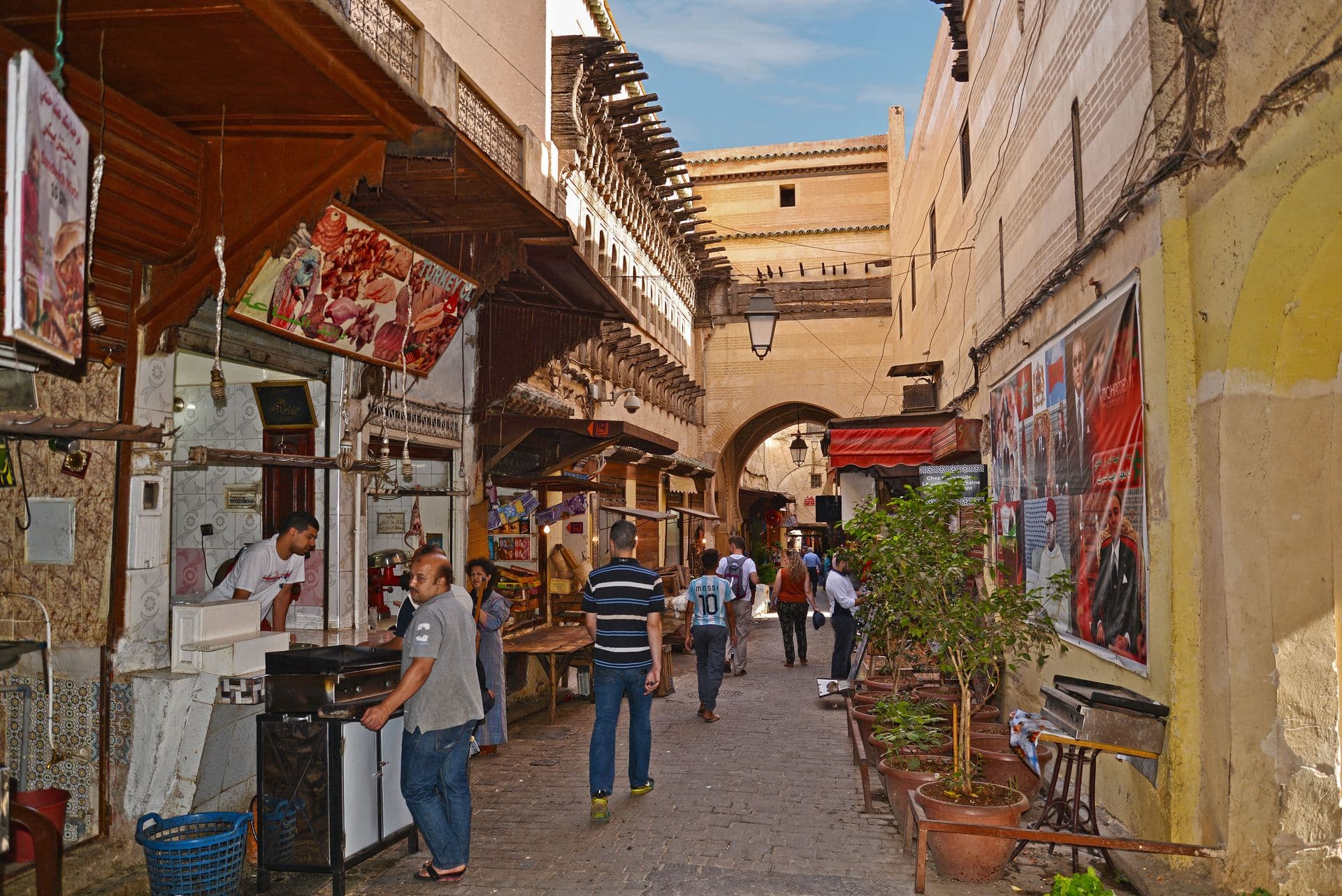
The medina of Fes el‑Bali is the largest car‑free urban area in the world, and its layout can feel overwhelming at first. A practical way to navigate is to follow the main thoroughfare, Tala’a Kebira, which runs east‑west and links several key landmarks:
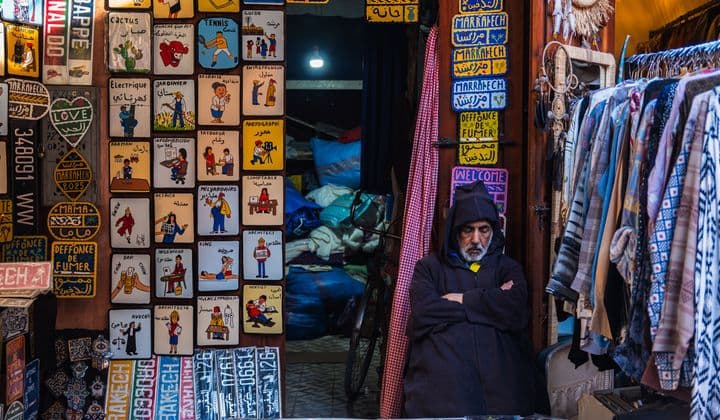
- Souks and Markets – Branching off Tala’a Kebira, the bustling souks sell everything from hand‑woven textiles to brass lanterns. Take time to haggle politely; a smile and a few Arabic phrases go a long way.
- Kasbah An‑Nouar – The historic citadel area houses the former royal palace and offers quiet streets lined with stone houses.
- Old Gates – The massive Bab Boujloud (Blue Gate) serves as a grand entrance to the medina and is a perfect spot for a photo before you dive deeper.
Because the medina’s streets are a maze, keep a small map or a GPS‑enabled phone handy, but also allow yourself to wander aimlessly—some of the most memorable moments happen when you stumble upon a hidden courtyard or a local tea stall.
Unique Experiences
- Tannery Tour – A guided walk through the Chouara Tannery costs just a few dirhams. The guide will explain the centuries‑old dyeing techniques and the role of the tannery in Fes’s economy.
- Cooking Class – Several cooking schools within the medina offer half‑day workshops that include a market visit, ingredient selection, and hands‑on preparation of classic dishes such as tagine, couscous, and pastilla. It’s an intimate way to connect with Moroccan culinary culture.
- Sunset from the Merenid Tombs – Arrive before dusk to watch the city lights flicker on the terracotta rooftops—a magical moment for photographers.
- Artisan Workshops – Small workshops in the souks let you watch (or try) pottery making, carpet weaving, and metalwork. Many artisans are happy to share stories about their craft.
Food & Drink
Fes’s culinary scene is a celebration of spice, texture, and tradition. Here are a few dishes you shouldn’t miss:
- B’stilla – A savory‑sweet pie layered with shredded pigeon or chicken, almonds, and fragrant spices, wrapped in crisp phyllo dough.
- Harira – A hearty tomato‑based soup enriched with lentils, chickpeas, and fresh herbs; often enjoyed during Ramadan but available year‑round.
- Tagine with Preserved Lemon and Olives – Slow‑cooked in a conical earthenware pot, this dish balances tangy citrus with briny olives.
- Mint Tea – Served in small glasses, the sweet, aromatic tea is a staple of Moroccan hospitality. Accepting a glass is a sign of respect.
For a true local experience, head to the food stalls near the tanneries where you can sample freshly grilled kebabs and sweet pastries while watching the river of colors flow in the dye pits.
Practical Tips
- Language – Arabic and Berber are the official languages, but most shopkeepers and guides speak French; a few know basic English. Learning simple greetings (“Salam alaykum,” “Shukran”) enhances interactions.
- Currency – The Moroccan dirham (MAD) is the only legal tender. Cash is essential for market purchases and small eateries; ATMs are plentiful in the modern city but scarce inside the medina.
- Dress Code – Modest clothing is appreciated, especially when visiting religious sites. Women should consider covering shoulders and knees; men should avoid sleeveless tops.
- Safety – The medina is generally safe, but pickpocketing can occur in crowded souks. Keep valuables in a front pocket or a money belt, and stay aware of your surroundings.
- Connectivity – Free Wi‑Fi is common in cafés and many riads. Purchasing a local SIM card at the airport provides reliable data for navigation.
Sample 3‑Day Itinerary
- Day 1 – Arrival & First Impressions
- Morning: Settle into a riad in the medina.
- Midday: Walk along Tala’a Kebira, explore the bustling souks, and sample street‑food snacks.
- Afternoon: Visit Bou Inania Madrasa and Al‑Attari, then relax with mint tea on a rooftop terrace.
- Day 2 – Heritage Highlights
- Morning: Guided tour of Al‑Quaraouiyine University, followed by a visit to the Chouara Tannery (open 09:00–19:00).
- Lunch: Enjoy a traditional b’stilla at a nearby restaurant.
- Afternoon: Climb to the Merenid Tombs for sunset views; later, stroll through the Kasbah An‑Nouar area.
- Day 3 – Cultural Immersion
- Morning: Participate in a cooking class that begins with a market walk.
- Midday: Taste the dishes you prepared for lunch.
- Afternoon: Explore the Dar El‑Makhzen Palace exterior, then head to the Mausoleum of Moulay Idriss for a panoramic view of the city.
- Evening: End the trip with a leisurely dinner in the medina, perhaps accompanied by live Gnawa music.
Conclusion
Fes is a city that rewards curiosity, patience, and a willingness to get a little lost. By using this Fes travel guide as a roadmap—while still leaving room for spontaneous discoveries—you’ll experience the full spectrum of Morocco’s cultural heritage, from scholarly marvels to fragrant leather workshops and mouth‑watering cuisine. Pack comfortable shoes, an open mind, and a sense of adventure; the medieval streets of Fes are ready to welcome you.