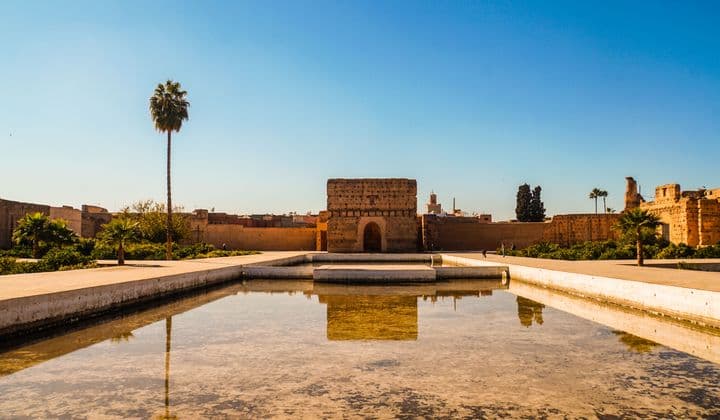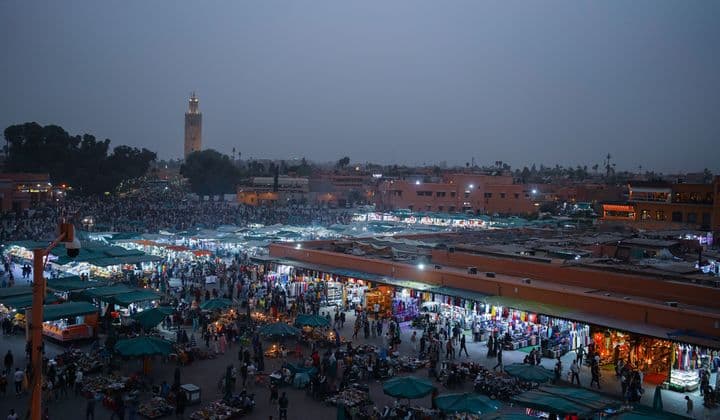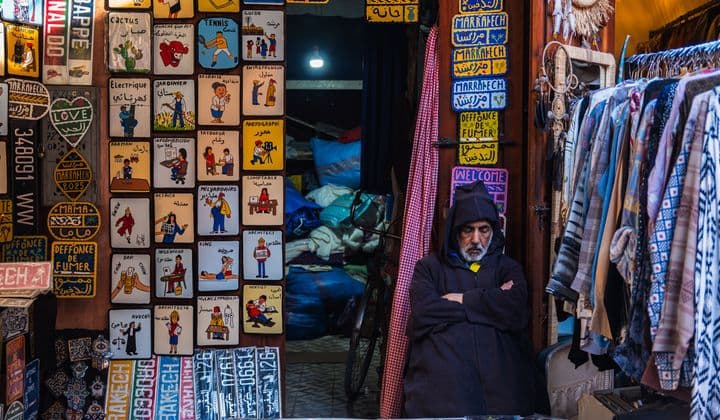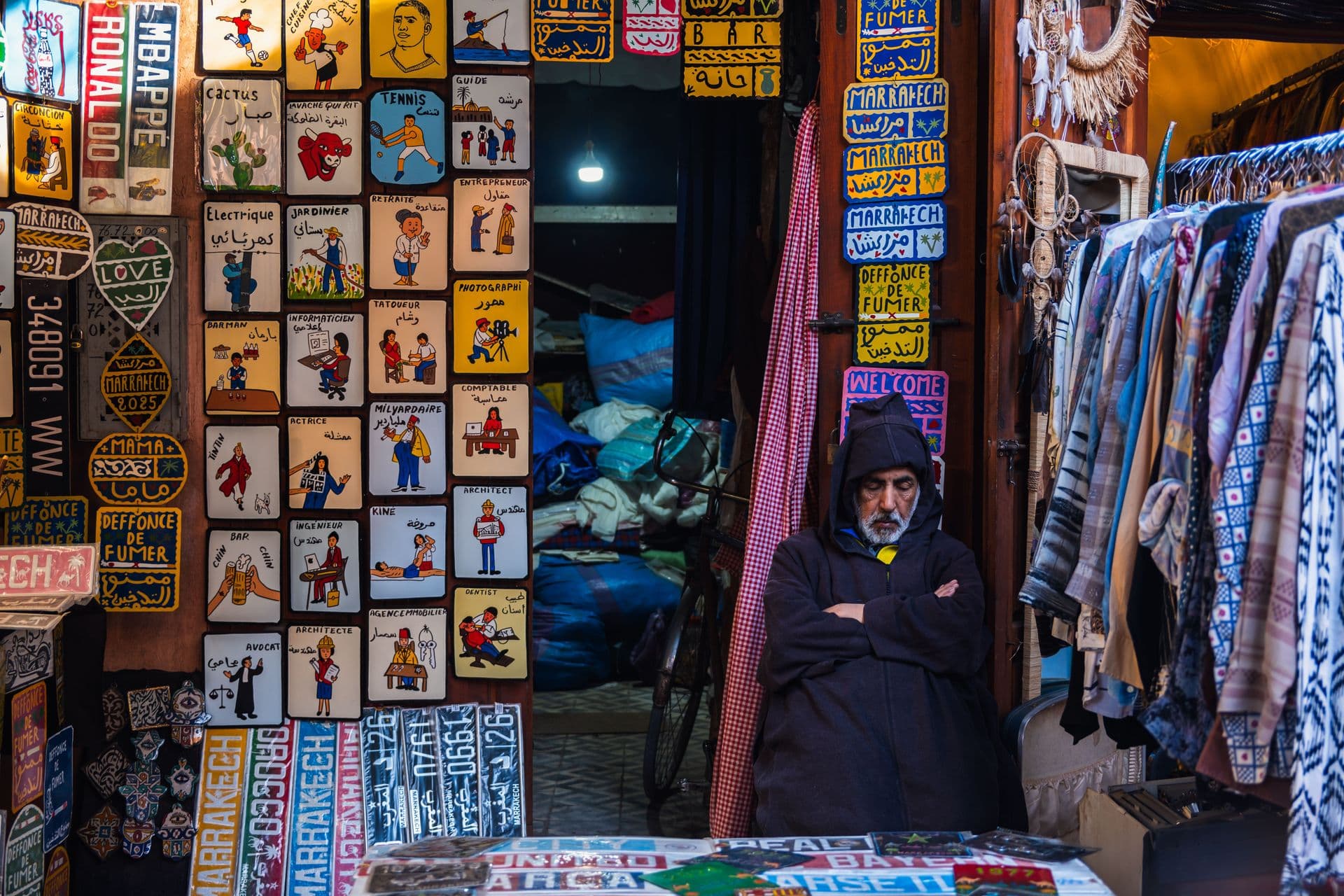
Sustainable tourism Marrakech is more than a buzzword; it’s a practical approach that lets visitors enjoy the city’s vibrant souks, historic palaces and lush gardens while preserving the environment and supporting local communities. By planning ahead, choosing responsible services and respecting cultural norms, you can experience the Red City’s magic without adding to its challenges. Below are essential tips that blend convenience with conscience, helping you travel responsibly from the moment you book your flight to the final farewell.
Plan Your Trip with Sustainability in Mind
- Pick the right season – Spring (March‑May) and autumn (September‑November) offer comfortable temperatures, reducing the need for excessive air‑conditioning and making walking or cycling more pleasant.
- Download offline maps – The Medina’s narrow lanes can be a maze; having an offline map on your phone means you won’t rely on constant data usage, and you’ll navigate more efficiently.
- Consult official guides – The Marrakech‑Safi Regional Tourism Council provides free brochures organized by theme and territory, offering insight into eco‑friendly attractions and transport options.
Choose Eco‑Friendly Accommodations
- Stay in an eco‑riad – Many traditional riads have adopted green practices such as solar water heating, low‑flow fixtures and recycling programs. Look for certifications or statements about energy conservation on their websites.
- Consider hotels with sustainability programs – Some upscale properties, like the Sofitel Marrakech Palais Impérial & Spa, incorporate waste reduction and carbon‑offset initiatives, allowing you to enjoy luxury while minimizing impact.
- Support locally owned guesthouses – Smaller family‑run lodgings often source food and supplies from nearby markets, keeping money within the community and reducing transportation emissions.
Travel Green Within the City
- Walk whenever possible – The historic core is compact; strolling through Jemaa el‑Fna, the souks and the nearby gardens lets you soak up the atmosphere without contributing to traffic congestion.
- Rent a bike or electric scooter – Several rental shops near the Medina offer bicycles and electric vehicles, providing a low‑emission alternative for longer distances.
- Try a horse‑drawn carriage responsibly – If you choose a horse cart, select operators who treat their animals well and limit the number of rides per day to reduce stress on the animals and the environment.
Support Local Economy and Culture
- Buy from cooperatives and artisans – Directly purchasing handmade items from Berber cooperatives ensures fair wages and helps preserve traditional crafts.
- Pay fair prices – Avoid haggling to the point where sellers feel compelled to undervalue their work; a reasonable offer respects the time and skill involved.
- Dress modestly – Covering shoulders and knees, especially near religious sites and residential neighborhoods, shows cultural respect and makes interactions smoother.
- Ask before photographing people – Seeking permission protects privacy and acknowledges the dignity of market vendors, artisans and performers.
Mindful Food and Water Practices
- Eat locally sourced dishes – Tagines, couscous and fresh salads prepared with ingredients from nearby farms reduce the carbon footprint associated with imported foods.
- Limit single‑use plastics – Bring a reusable water bottle and shopping bag; refill at hotels or public fountains to cut down on disposable waste.
- Stay safe with water – Drink bottled or filtered water, but choose brands that use recyclable packaging and recycle the bottles when possible.
Reduce Waste and Energy
- Separate your trash – Marrakech has introduced waste‑disposal and recovery centers; using designated bins for recyclables helps the city’s recycling stream.
- Conserve electricity – Turn off lights, fans and air‑conditioning when you leave your room; many eco‑riads provide information on energy‑saving practices.
- Support biogas initiatives – The city’s biogas station processes organic waste into renewable energy; learning about it during a visit can inspire you to support similar projects at home.
Engage with Community Projects
- Visit sustainable stories like LeKechDomes – Located near the Rhamna peak, this eco‑lodging project showcases renewable construction methods and offers workshops on local environmental stewardship.
- Participate in clean‑up events – Occasionally, NGOs organize beach or park clean‑ups; joining these activities lets you give back directly to the environment you’re enjoying.
- Choose tours that give back – Select operators that allocate a portion of their fees to community development, such as funding school supplies or supporting women’s cooperatives.
Leave No Trace in Natural Areas
- Stay on marked trails – Whether exploring the Atlas foothills or the desert outskirts, sticking to designated paths protects fragile ecosystems and prevents erosion.
- Avoid feeding wildlife – Human food can disrupt natural diets and lead to dependence on tourists.
- Carry out what you bring in – Pack a small bag for any litter you generate, especially in parks, gardens and desert excursions.
Use Reliable Information and Apps
- Offline navigation tools – Apps like Maps.me provide detailed maps of the Medina without needing an internet connection, reducing data usage and helping you find eco‑friendly routes.
- Official tourism portals – Websites managed by the Moroccan National Tourist Office and the Marrakech‑Safi Regional Tourism Council offer up‑to‑date information on sustainable attractions, transport options and community initiatives.
- Local advice – Ask hotel staff or knowledgeable locals for recommendations on ethical eateries, fair‑trade shops and low‑impact activities; they often know hidden gems that aren’t in guidebooks.
Make a Lasting Positive Impact
Traveling responsibly in Marrakech is a collective effort. By choosing green transport, supporting local artisans, minimizing waste and respecting cultural norms, you contribute to a tourism model that safeguards the city’s heritage and natural beauty for future generations. Each mindful decision—whether it’s a simple walk instead of a taxi or a purchase from a cooperative—adds up, creating a ripple effect that benefits both residents and the environment. Embrace these practices, and your journey through the Red City will be as enriching for you as it is sustainable for Marrakech.