Introduction
A Marrakech cooking class is more than a lesson in spice blends; it is an immersive journey through the city’s bustling souks, fragrant markets, and centuries‑old culinary traditions. Guided by a knowledgeable host, you select the freshest produce and aromatic spices before moving to a hands‑on cooking session that ends with a shared feast in a beautifully restored riad or boutique kitchen.
What a Luxury Marrakech Cooking Class Looks Like
Typical classes run three to four hours, pairing a guided market visit with a hands‑on workshop. The experience begins in the souks, where a local guide points out the best stalls for saffron, cumin, preserved lemons, and seasonal vegetables. After gathering ingredients, you cook in a fully equipped kitchen—often a riad courtyard, a chef’s private studio, or a boutique culinary space. A vetted chef walks you through each step of preparing a classic tagine, fragrant couscous, or sweet‑savory pastilla, and the session concludes with a communal dinner while the guide shares the cultural roots of the dishes.
Luxury Market Tours – The Souk Experience
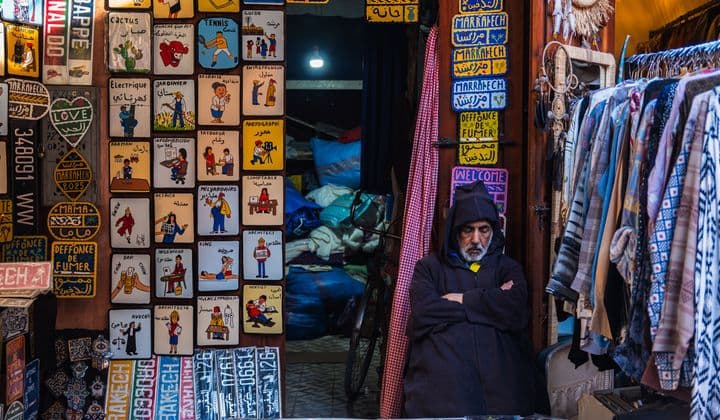
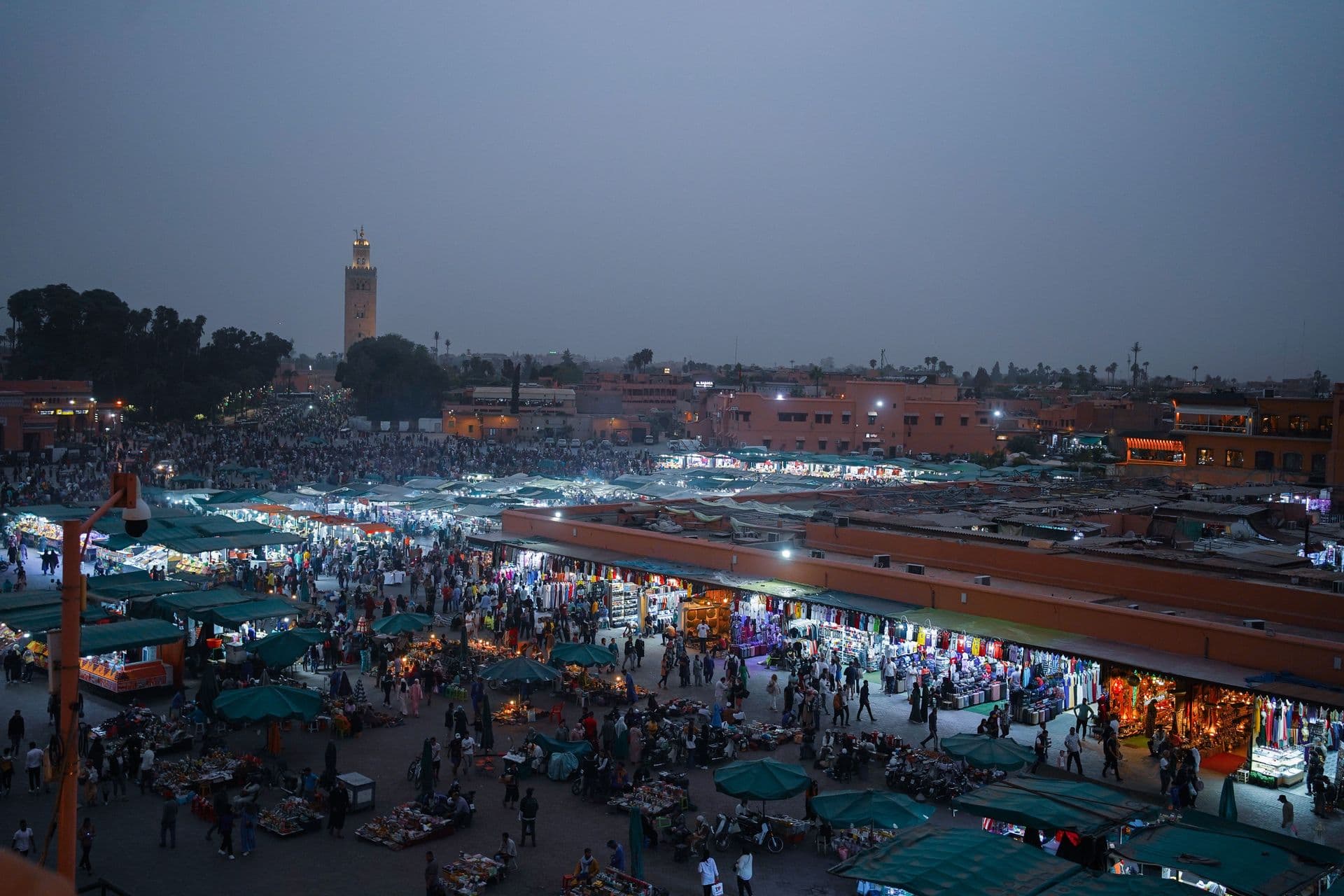
The souks of Marrakech are a living museum of flavors. Private market tours give you direct access to vendors who primarily serve locals, allowing you to observe authentic bargaining and select top‑quality ingredients. You’ll encounter spice merchants with stalls overflowing with ruby‑red paprika, earthy turmeric, and hand‑ground ras el hanout, and learn the Arabic names for each spice—a skill that proves invaluable for future culinary adventures. Fresh produce—plump tomatoes, crisp carrots, and fragrant herbs such as mint and cilantro—is chosen on the spot, ensuring the highest quality for your cooking session. Some itineraries include a brief stop at the weekly Souk Tnine Ourika in the Ourika Valley, where the market’s authenticity is amplified by the surrounding Atlas Mountain scenery.
Hands‑On Cooking in a Riad or Private Kitchen
After the market, the real magic happens in a traditional Moroccan setting. Many luxury providers operate out of beautifully restored riads, where stone courtyards and tiled fountains create an intimate atmosphere. Here a chef demonstrates the art of layering flavors: searing meat, adding spices, and slow‑cooking over low heat so the aromas meld perfectly. Participants roll up their sleeves, stir simmering broths, and shape dough for fresh Moroccan bread. For families or honeymooners, the experience can be tailored to a private courtyard, offering a secluded space to cook and dine under lantern light.
Signature Dishes You’ll Master
- Tagine – An earthenware pot used to braise meat (often lamb or chicken) with preserved lemons, olives, and a blend of spices, producing tender, deeply flavored stew.
- Couscous – Steamed semolina topped with a vegetable medley and fragrant broth, showcasing the balance of textures that defines Moroccan cuisine.
- Pastilla – A sweet‑savory pie that layers flaky pastry with spiced pigeon or chicken, almonds, powdered sugar, and cinnamon, echoing royal feasts.
- Mint Tea & Fresh Bread – Brewing sweet mint tea and baking round, airy khobz completes the culinary narrative.
Tailoring the Experience – Private vs. Small Group
Luxury cooking classes cater to a range of preferences. Private tours provide one‑on‑one interaction with the chef and market guide, allowing a fully customized menu—vegetarian, vegan, or gluten‑free options can be incorporated with advance notice. Small‑group sessions, typically limited to six participants, maintain an intimate atmosphere while fostering camaraderie among fellow food enthusiasts. Prices vary by provider; many classes start from around US $30 per person, with private bookings often commanding a higher fee due to personalized attention and optional hotel pickup.
Adding Extra Touches – Mint Tea, Bread, and Cultural Workshops
High‑end itineraries often enrich the cooking class with supplementary activities. A “Secrets of Plants – Mint Distilled Water” workshop lets participants observe the traditional method of extracting essential oils from fresh mint leaves. Some providers also incorporate an art workshop, such as carving a thuya wood sculpture, to round out the cultural immersion and transform a culinary lesson into a holistic encounter with Moroccan craftsmanship.
Sustainable and Authentic Elements
Luxury culinary tours increasingly emphasize sustainability. By sourcing ingredients directly from local markets and working with family‑run stalls, the experience supports small‑scale producers and reduces the carbon footprint associated with imported goods. In the Ourika Valley, a Berber cooking class begins with a visit to the weekly Souk Tnine, where participants witness authentic bargaining and purchase seasonal vegetables grown on terraced farms. This focus on fresh, locally harvested produce not only enhances flavor but also aligns with responsible tourism practices.
Booking Tips and Practicalities
- Timing – Market visits are most vibrant in the early morning, when stalls are fully stocked. Booking a class that starts around 10 am captures the freshest ingredients.
- Transportation – Many luxury providers offer hotel pickup, simplifying the journey to the souk and back. Confirm pickup details when reserving.
- Dietary Requirements – Vegetarian, vegan, and gluten‑free options are widely available; inform the organizer in advance so the chef can adjust the menu.
- Attire – Wear comfortable clothing and closed shoes for walking on uneven market floors. A light scarf can be useful for modesty in more traditional areas.
- Cancellation Policies – Premium operators typically allow free cancellation up to 24 hours before the scheduled start, providing flexibility for travel plans.
Conclusion
A Marrakech cooking class that blends a private market tour with a hands‑on kitchen session epitomizes the city’s culinary allure. Expertly guided ingredient selection, immersive cooking techniques, and a shared meal in a beautifully restored riad create a memorable, luxury experience that goes beyond the plate. Whether you choose a private, tailor‑made session or join a small, curated group, the flavors, aromas, and stories you gather will linger long after you leave the Red City, inviting you to recreate a piece of Morocco wherever you travel next.