Marrakech Atlas Sahara itinerary offers a perfect blend of bustling medinas, rugged mountain villages, and the timeless silence of the desert, all within a comfortable seven‑day rhythm. Starting in the red‑washed streets of Marrakech, you’ll wander historic palaces, learn to cook fragrant tagines, then trade city sounds for the fresh air of the High Atlas before ending under a canopy of stars in the Sahara. Below is a day‑by‑day guide that balances cultural immersion with enough breathing room to truly savor each region.
Day 1 – Arrival and First Glimpse of Marrakech
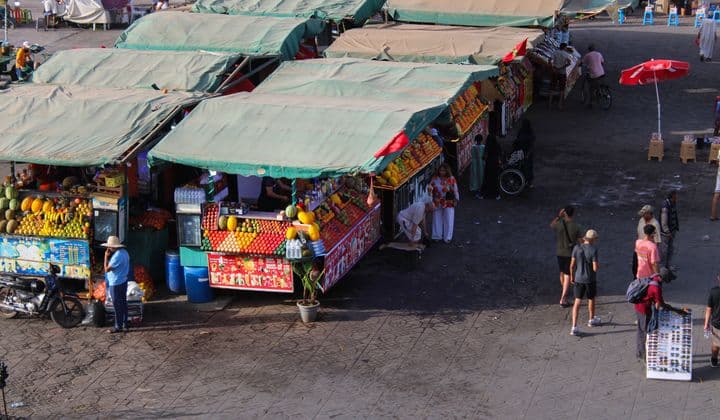
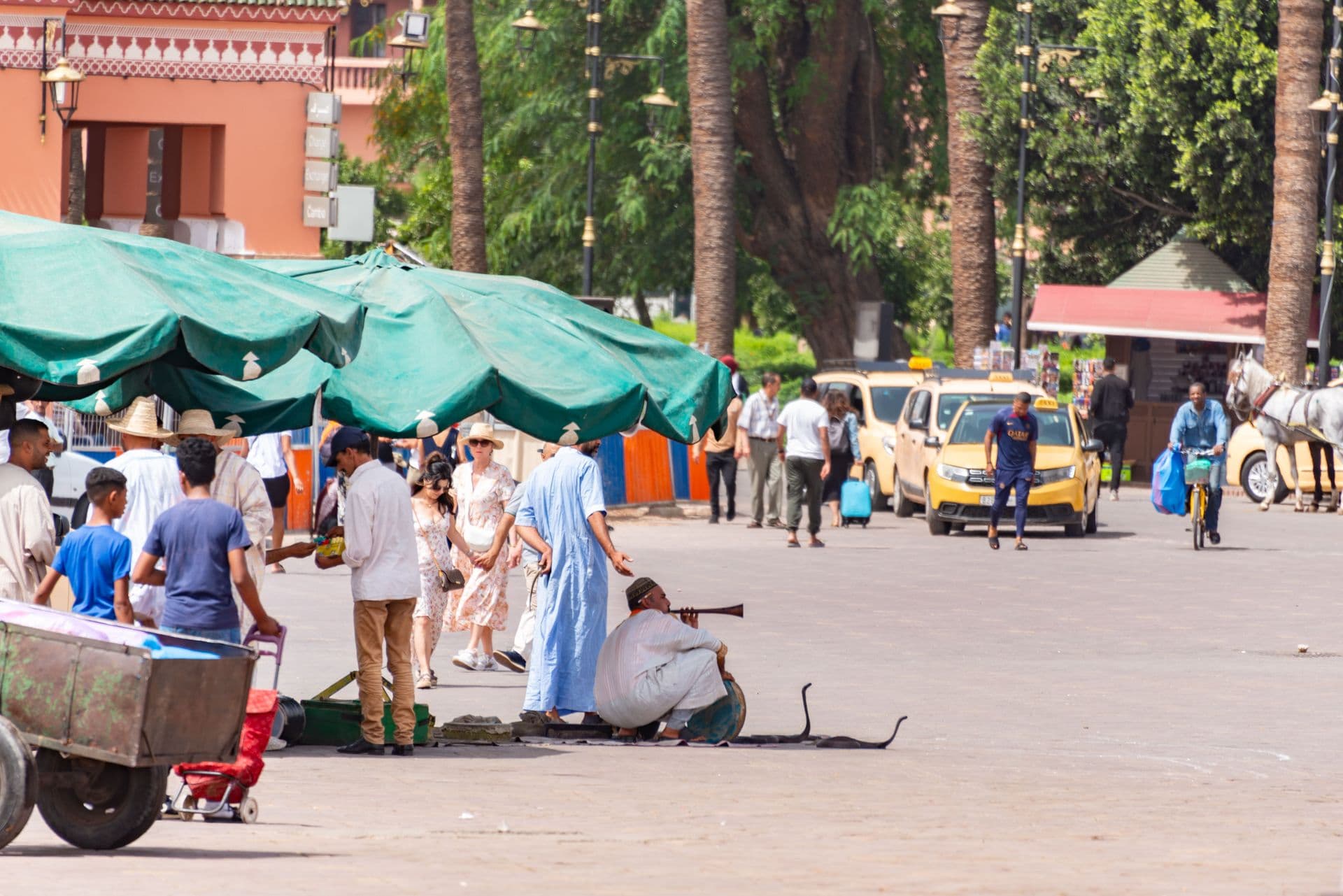
Touch down at Marrakech Menara Airport and take a short taxi ride or an ALSA Tourist Bus into the heart of the medina. After checking into your riad, spend the afternoon strolling the bustling souks where artisans display hand‑woven carpets, brass lanterns, and spices that perfume the air. A gentle walk leads you to the iconic Koutoubia Mosque and the lively Jemaa el‑Fna square, where storytellers, snake charmers, and food stalls create a sensory tapestry. End the day with a traditional Moroccan dinner on a rooftop terrace, watching the sunset paint the city pink.
Day 2 – Palaces, Gardens, and a Cooking Class
Dedicate the morning to Marrakech’s architectural gems. The Bahia Palace dazzles with intricate stucco work and lush courtyards, while the Saadian Tombs reveal the opulence of the 16th‑century dynasty. After a leisurely lunch, head to the serene Majorelle Garden, a botanical oasis once owned by Yves Saint‑Laurent, where cobalt‑blue walls frame exotic plants and a small museum celebrates Berber art. In the late afternoon, join a half‑day cooking class that teaches you how to prepare classic dishes such as couscous and pastilla, using fresh market ingredients. The experience ends with a communal feast, giving you a taste of Moroccan hospitality.
Day 3 – Journey to the High Atlas – Ait Benhaddou and Ouarzazate
Rise early for a scenic drive across the High Atlas, crossing the dramatic Tizi n’Tichka pass. The winding road offers panoramic views of rugged peaks and deep valleys, perfect for photo stops. Your first major landmark is Ait Benhaddou, a UNESCO‑listed ksar of earthen clay towers that has served as a backdrop for countless films. Wander the fortified alleyways, imagining caravan traders of centuries past. Continue to Ouarzazate, often called the “Gateway to the Sahara,” where you can visit the Atlas Film Studios or simply enjoy a quiet evening in a local guesthouse.
Day 4 – Trekking to Imlil and Berber Homestay
Leave Ouarzazate and head deeper into the mountains toward Imlil, a charming village nestled at the foot of Jebel Toubkal, Morocco’s highest peak. Upon arrival, meet a Berber family who will host you for the night. Their modest home offers a genuine glimpse into traditional mountain life—hand‑woven blankets, a modest kitchen, and stories passed down through generations. Take a short guided hike around the surrounding valleys, breathing the crisp, pine‑scented air and spotting wildflowers that carpet the slopes in spring. The evening concludes with a home‑cooked meal of tagine and fresh bread, shared around a low table.
Day 5 – Mountain Hiking and Overnight in a Kasbah
Today’s adventure is a moderate trek from Imlil toward the remote Kasbah Tamadot, owned by a luxury hotel group but still retaining its authentic Berber character. The trail winds through terraced fields, almond orchards, and stone bridges, offering spectacular vistas of the Atlas range. Upon reaching the kasbah, unwind in a comfortable retreat that blends traditional architecture with modern comforts. A soothing hammam session provides the perfect way to relax sore muscles after the hike. Dinner is served on a terrace overlooking the mountains, where the sky deepens into twilight.
Day 6 – From Mountains to Desert – Crossing to Merzouga
After a leisurely breakfast, begin the long but rewarding drive toward the Sahara. The route follows the historic caravan path, passing through the Draa Valley’s palm groves and the dramatic Todra Gorge, where towering cliffs frame a turquoise river. Stop for a quick lunch in a roadside café before continuing across the arid landscape toward Merzouga, the gateway village to the Erg Chegaga dunes. Arrive in the late afternoon, where a camel trek awaits. Mounted on a dromedary, you’ll glide over golden sands, reaching a desert camp just as the sun dips below the horizon.
Day 7 – Sahara Sunrise and Departure
Wake before dawn to experience the Sahara’s most magical moment: sunrise over endless dunes. As the first light paints the sand in shades of amber and rose, you’ll feel the profound silence that only the desert can offer. After a simple breakfast of mint tea and fresh dates, enjoy a final camel ride back to Merzouga. Transfer to the nearest airport—either Ouarzazate or Marrakech, depending on your flight schedule—and reflect on a week that has taken you from the vibrant streets of Marrakech to the tranquil heights of the Atlas and finally into the heart of the Sahara.
Practical Tips for a Smooth Journey
- Transportation: Within Marrakech, walking is the most enjoyable way to explore the medina, but the ALSA Tourist Bus system provides convenient links to major sights such as the Majorelle Garden and Saadian Tombs. For intercity travel, private drivers or organized tours are the most reliable, especially when navigating mountain passes.
- Accommodation: Choose a riad in the medina for an authentic stay, a mountain lodge or kasbah in Imlil for comfort after hikes, and a desert camp that offers both traditional Berber tents and basic amenities.
- Dress and Etiquette: Modest clothing respects local customs—long sleeves and trousers for both men and women are advisable, especially in rural areas and religious sites.
- Health and Safety: Carry bottled water, sunscreen, and a hat for desert days. Altitude in the High Atlas can be brisk; a light jacket is useful for early mornings.
Cultural Highlights Not to Miss
- Cooking Class: Learning to prepare a tagine connects you directly with Moroccan culinary heritage.
- Berber Homestay: Sharing a meal and stories with a mountain family offers insight into centuries‑old traditions.
- Ait Benhaddou: The ksar’s earthen architecture is a living museum of Saharan trade routes.
- Sahara Night Sky: The desert’s lack of light pollution reveals a dazzling Milky Way, perfect for stargazing.
Extending Your Adventure
If you have extra time, consider a day trip to Essaouira’s coastal medina, a breezy contrast to the desert’s heat. The city’s fortified walls, fresh seafood, and vibrant art scene make for a rewarding side excursion. For more detailed planning of Marrakech’s highlights, see the 48 Hour Marrakech Itinerary: Gardens, Palaces & Souks, which offers a concise guide to the city’s must‑see attractions.
Embarking on this Marrakech Atlas Sahara itinerary ensures you experience Morocco’s diverse landscapes and rich cultural tapestry without feeling rushed. From the fragrant spice markets to the silent dunes, each day builds on the last, creating a memorable journey that lingers long after you return home.