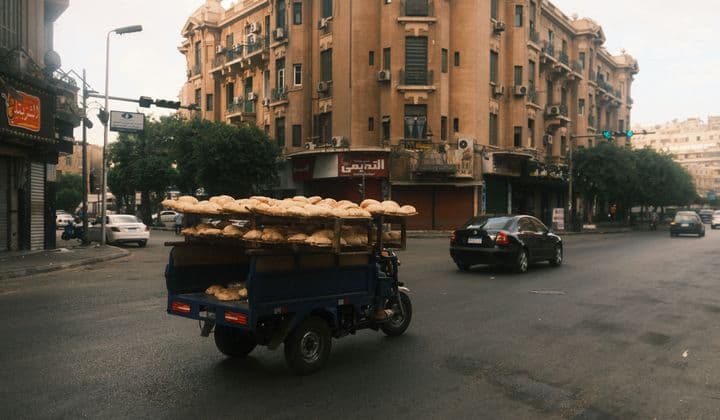
Luxor traditional dishes are an essential part of any visit to this ancient city, and the best way to experience them is by wandering through the bustling souqs and relaxing at the riverside cafés that line the Nile. From hearty street‑food staples to comforting home‑style meals, the flavors you’ll encounter tell the story of Upper Egypt’s culinary heritage. Below is a guide to the must‑try dishes, where to find them, and a few tips for enjoying the local food scene like a seasoned traveler.
Where to Find Authentic Flavors
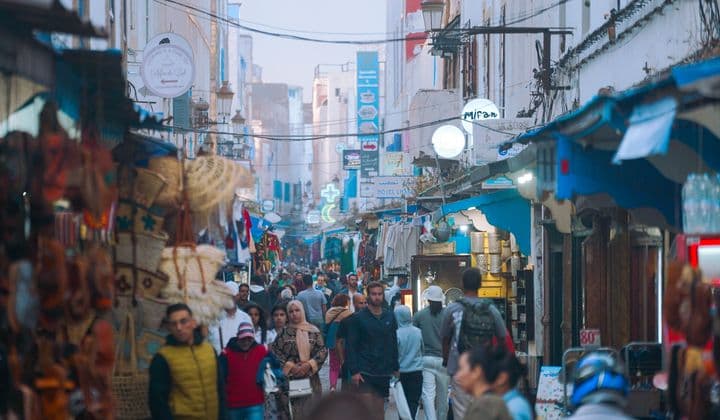
The heart of Luxor’s food culture beats in the East Bank corniche and the nearby market lanes. After exploring the temples, head down the stairs that lead to the lower river‑side level where cruise ships dock; here you’ll discover a concentration of small eateries, tea houses, and market stalls serving the city’s classic fare. The souq that stretches from the northern end of the Luxor Temple toward the museum is another hotspot, offering everything from quick snacks to sit‑down meals. Whether you prefer a bustling market atmosphere or a quieter café with a view of the river, both settings provide authentic dishes prepared with fresh, locally sourced ingredients.
Koshari – The Ultimate Comfort Bowl
Koshari is Egypt’s national dish and a staple in Luxor’s cafés. This vegetarian-friendly bowl layers rice, lentils, small macaroni, and chickpeas, topped with a tangy tomato sauce and a generous sprinkle of crispy fried onions. A dash of garlic‑vinegar and a pinch of cumin add depth, while a side of spicy chili sauce lets you adjust the heat to your taste. In the souq, you’ll often find koshari served in simple metal trays, making it an ideal budget meal that fills you up after a morning of sightseeing. For a slightly more upscale setting, many riverside cafés on the corniche offer koshari with a side of fresh salad and a glass of hibiscus tea (karkade), perfect for a midday break.
Ful Medames – A Hearty Breakfast Staple
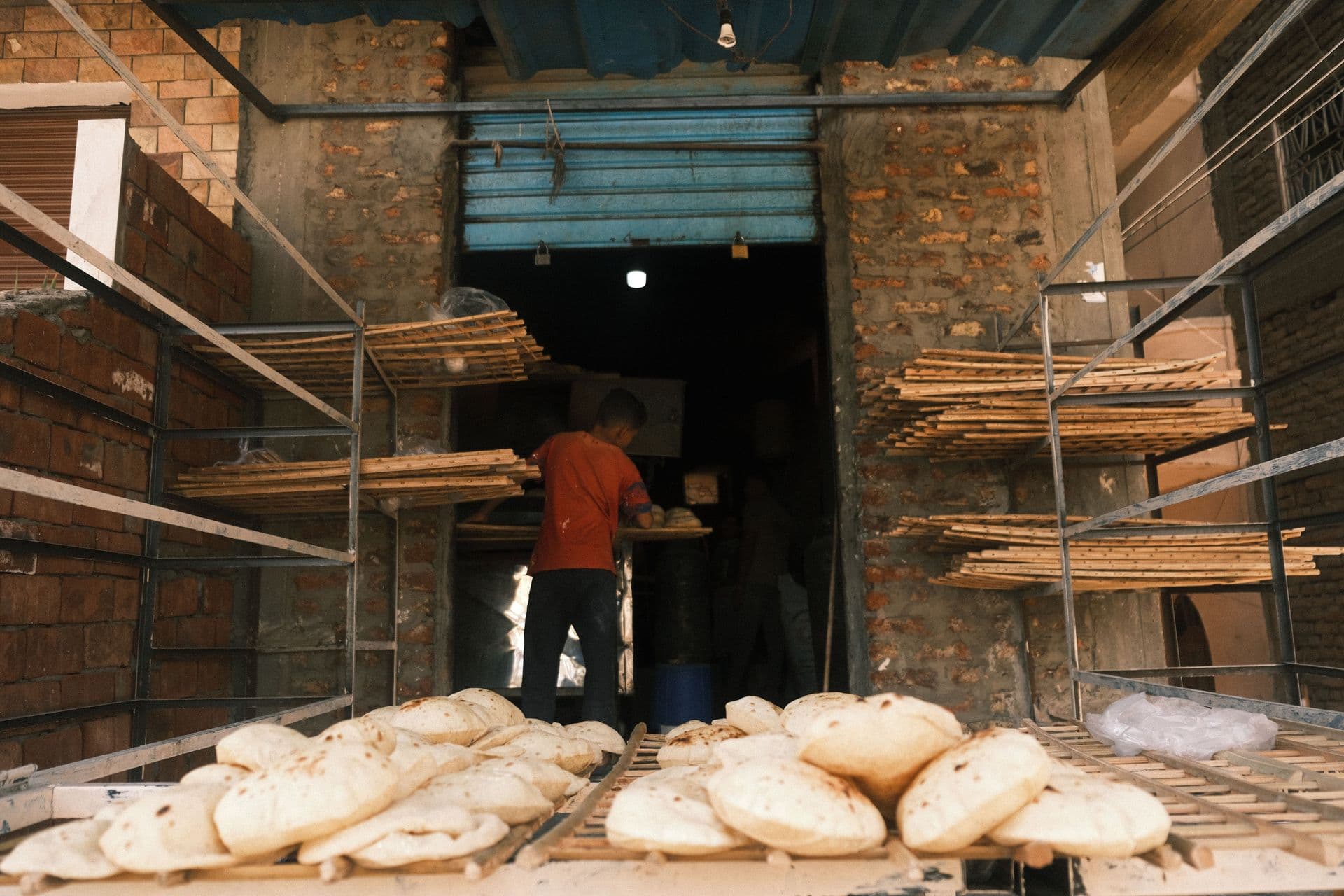
No visit to Luxor is complete without trying ful medames, a slow‑cooked fava bean dish that has fed generations of Egyptians. The beans are simmered until tender, then seasoned with olive oil, lemon juice, cumin, and a hint of garlic. In the souq, vendors often serve ful with warm baladi bread, sliced tomatoes, and a drizzle of tahini. It’s a common breakfast for locals, providing a protein‑rich start to the day. Pair it with a glass of fresh sugarcane juice for a sweet contrast that balances the earthy beans.
Ta’ameya (Egyptian Falafel) – Crunchy, Herb‑Infused Bites
While many travelers recognize falafel as a chickpea‑based snack, the Egyptian version—ta’ameya—is made from crushed fava beans mixed with fresh herbs such as parsley, cilantro, and dill. The mixture is formed into patties and deep‑fried until golden and crisp. You’ll find ta’ameya served in small street stalls within the market, often accompanied by pickled vegetables, tahini sauce, and a squeeze of lemon. It makes an excellent quick bite or a light lunch when paired with a side of salad and a cold drink.
Molokhia – A Green, Garlicky Soup
Molokhia is a distinctive, leafy green soup that showcases the unique flavor of the molokhia plant, known for its slightly mucilaginous texture. In Luxor, the soup is typically prepared with finely chopped molokhia leaves simmered in a broth flavored with garlic, coriander, and chicken stock. It is served over white rice or with fresh Egyptian flatbread for dipping. Many riverside cafés offer molokhia as a comforting evening dish, especially during cooler months, and it’s often accompanied by a small plate of fried onions for added crunch.
Hamam Mahshi (Stuffed Pigeon) – A Celebration Dish
For those seeking a more indulgent experience, hamam mahshi—stuffed pigeon—is a traditional delicacy often featured on the menus of family‑run restaurants along the Nile. The birds are typically seasoned with a blend of spices, then stuffed with a mixture of rice, herbs, and sometimes nuts before being roasted to a tender finish. The result is a richly flavored meat with a crisp skin, served with a side of rice or fresh vegetables. While pricier than street food, this dish offers a glimpse into the festive side of Upper Egyptian cuisine and is best enjoyed at a sit‑down restaurant where the ambiance matches the elegance of the meal.
Fiteer (Layered Pastry) – Sweet or Savory
Fiteer, also known as “Egyptian pizza,” is a flaky, layered pastry that can be enjoyed sweet or savory. In Luxor’s cafés, you’ll encounter both versions: the sweet fiteer is drizzled with honey or sugar syrup and sometimes sprinkled with nuts, while the savory variant is filled with cheese, herbs, or minced meat. It’s a popular snack for late‑afternoon tea, especially when paired with a cup of strong Egyptian coffee or a glass of fresh orange juice.
Fresh Juices and Karkade – The Perfect Accompaniments
Luxor’s climate makes fresh, cooling drinks a must. Street vendors and cafés alike serve a variety of freshly squeezed juices—orange, mango, and guava are common choices. Karkade, a deep‑red hibiscus tea served hot or cold, is especially refreshing and reputed for its health benefits. These beverages not only complement the savory dishes but also provide a refreshing break from the desert heat.
Tips for Navigating the Food Scene
- Carry Cash – Most small stalls and market vendors accept only Egyptian pounds, so having cash on hand ensures smooth transactions.
- Mind the Spice Level – Egyptian cuisine can be moderately spicy, especially dishes like koshari and ta’ameya. Ask for milder versions if you’re sensitive to heat.
- Tip Generously – A 10‑15 % tip is customary in restaurants and cafés; for street food, rounding up the bill is appreciated.
- Stay Hydrated – The sun can be intense, so keep a bottle of water or a fresh juice nearby, especially when sampling multiple dishes.
Combining Food with Sightseeing
Luxor’s culinary journey pairs naturally with its historic attractions. After a morning exploring the Karnak Temple Complex, treat yourself to a hearty bowl of koshari on the corniche while watching the Nile flow by. In the late afternoon, wander through the souq, sample ta’ameya from a bustling stall, and pick up a bag of roasted peanuts (foul sodani) for a quick snack. As the sun sets, find a riverside café that offers molokhia or hamam mahshi, and enjoy the view of the illuminated Luxor Temple across the water. For a complete cultural immersion, consider taking a short ferry ride to the West Bank, where village restaurants serve home‑style meals in a quieter setting.
Where to Eat – Recommended Spots
- Sofra (East Bank) – Known for its family‑friendly atmosphere, Sofra serves classic dishes like ful medames, koshari, and molokhia with generous portions.
- El Kababgy (Corniche) – Situated directly on the riverfront, this spot offers a range of Egyptian plates, including hamam mahshi and fiteer, with a view of passing feluccas.
- Local Souq Stalls – Throughout the market lanes, you’ll find vendors selling fresh ta’ameya, roasted peanuts, and quick‑serve koshari. These stalls provide an authentic taste of everyday Luxor life.
Exploring Beyond the Plate
If you’re planning to travel around the city, the Essential Luxor Taxi Tips and Safe Felucca Ride Advice guide can help you navigate between the East and West banks safely, ensuring you have more time to savor each dish. For a memorable evening, the Luxor Temple Sound and Light Show: What to Expect offers a spectacular backdrop to enjoy a late‑night meal by the river.
Luxor’s culinary landscape is as rich and layered as its ancient monuments. By sampling koshari, ful medames, ta’ameya, molokhia, hamam mahshi, and fiteer in the city’s vibrant souqs and tranquil riverside cafés, you’ll not only fill your stomach but also connect with the flavors that have sustained generations of Egyptians. Bon appétit and happy exploring!