Tetouan’s culinary scene mirrors its Andalusian roots and Mediterranean setting. Two dishes in particular—Pastilla Tetouanaise and Caliente chickpea pie—capture the city’s blend of sweet‑savory flavors, historic influences, and everyday resourcefulness.
Pastilla Tetouanaise
Pastilla is a celebrated Moroccan pie that, in Tetouan, is prepared without the almonds often found in other regions. The filling combines shredded chicken or hard‑boiled eggs with a light broth seasoned with saffron, cinnamon and a touch of orange blossom water. This mixture is wrapped in ultra‑thin warqa sheets, brushed with butter and baked until the crust turns golden and flaky. The result is a sweet‑savory pastry that is traditionally served on special occasions and family gatherings.
- Key flavors – Saffron, cinnamon, orange blossom water.
- Texture – Flaky, buttery crust surrounding a moist, aromatic filling.
- Typical occasions – Celebrations, festive meals and restaurant specials.
Caliente Chickpea Pie
Caliente is a simple yet satisfying chickpea‑based pie that has become a staple in Tetouan homes. Cooked chickpeas are blended with eggs, olive oil and spices such as cumin and paprika to form a thick batter. The batter is poured into a shallow pan and baked until the top caramelises, producing a custardy interior with a crisp, golden crust. The dish can be prepared in just a few minutes, making it a popular quick‑cook option.
- Key flavors – Earthy chickpeas, warm cumin, smoky paprika.
- Texture – Creamy interior with a crisp, golden crust.
- Serving style – Warm, often enjoyed with a fresh salad.
Cultural Context
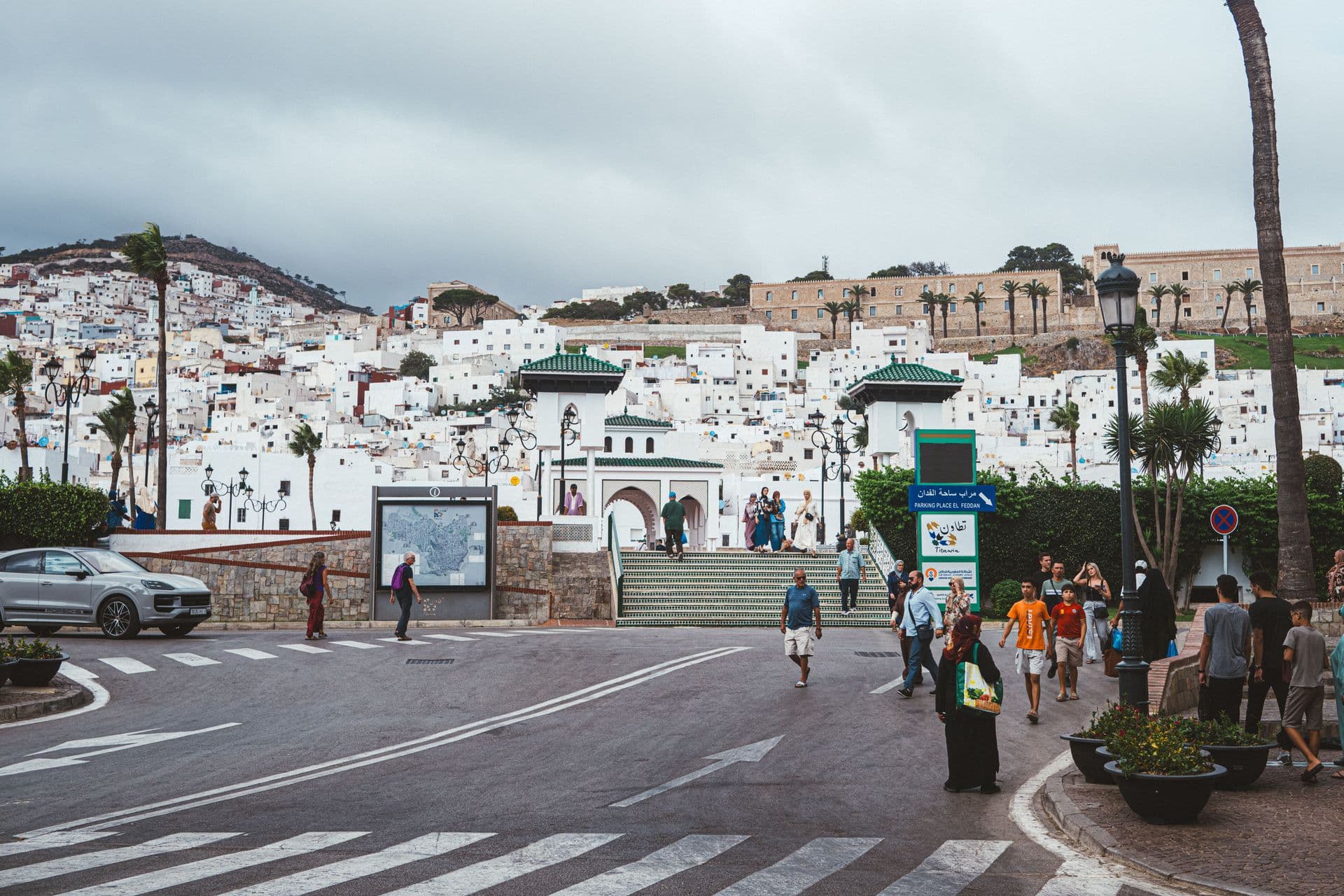
Tetouan’s food reflects the city’s history as a refuge for Andalusian Muslims expelled from Granada after the Reconquista. This heritage introduced a palate that favours the balance of sweet and savory, evident in both pastilla and Caliente. The medina, a UNESCO World Heritage site, retains its original layout of narrow lanes and communal squares, where locals still share meals at family‑run eateries. Tetouan is sometimes called the “daughter of Granada,” a nickname that underscores the lasting Spanish‑Moorish influence on its cuisine.
Where to Experience These Dishes
- Family‑run restaurants – Small establishments tucked inside the medina often serve pastilla and Caliente using recipes passed down through generations. Look for modest signs and a steady flow of local diners.
- Café terraces – Along avenues such as Av. Mohamed V, cafés blend traditional dishes with a relaxed atmosphere, offering a chance to enjoy a warm Caliente pie alongside mint tea.
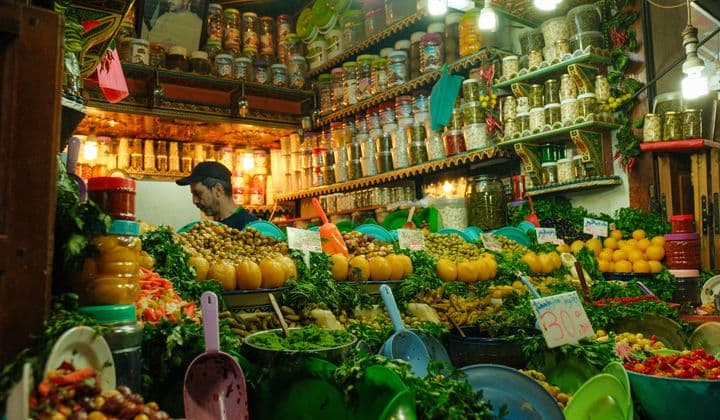
- Market stalls – The bustling souks sometimes feature vendors selling ready‑to‑eat slices of pastilla or freshly baked Caliente, perfect for a quick snack while exploring the market.
Tips for the Curious Foodie
- Ask about the preparation – Inquire whether the pastilla includes the traditional warqa dough and which spices are used; chefs are usually happy to explain.
- Pair with mint tea – A glass of locally brewed mint tea complements the sweet‑savory profile of both dishes without overpowering the subtle aromatics.
- Visit the medina – Exploring the historic heart of Tetouan not only provides context for the cuisine but also offers opportunities to watch artisans roll warqa sheets and observe the daily rhythm of local dining.
Conclusion
Pastilla Tetouanaise and Caliente chickpea pie are more than meals; they are edible stories of a city where Andalusian elegance meets Moroccan hospitality. Sampling these dishes—whether in a bustling medina restaurant, a quiet café terrace, or a market stall—connects travelers to Tetouan’s layered history and vibrant everyday life. Enjoy the flavors, and let each bite reveal a piece of northern Morocco’s culinary heritage.