Cairo coffee culture is a living tapestry that weaves together centuries‑old ahwas with the sleek, single‑origin roasters of today’s third‑wave scene. Whether you’re sipping a thick, copper‑pot brew in a bustling alley of Islamic Cairo or savoring a velvety flat white on a leafy Zamalek terrace, the city’s cafés tell the story of a metropolis that thrives on conversation, creativity, and the simple pleasure of a well‑made cup.
From Ottoman‑Era Ahwas to Modern Roasters
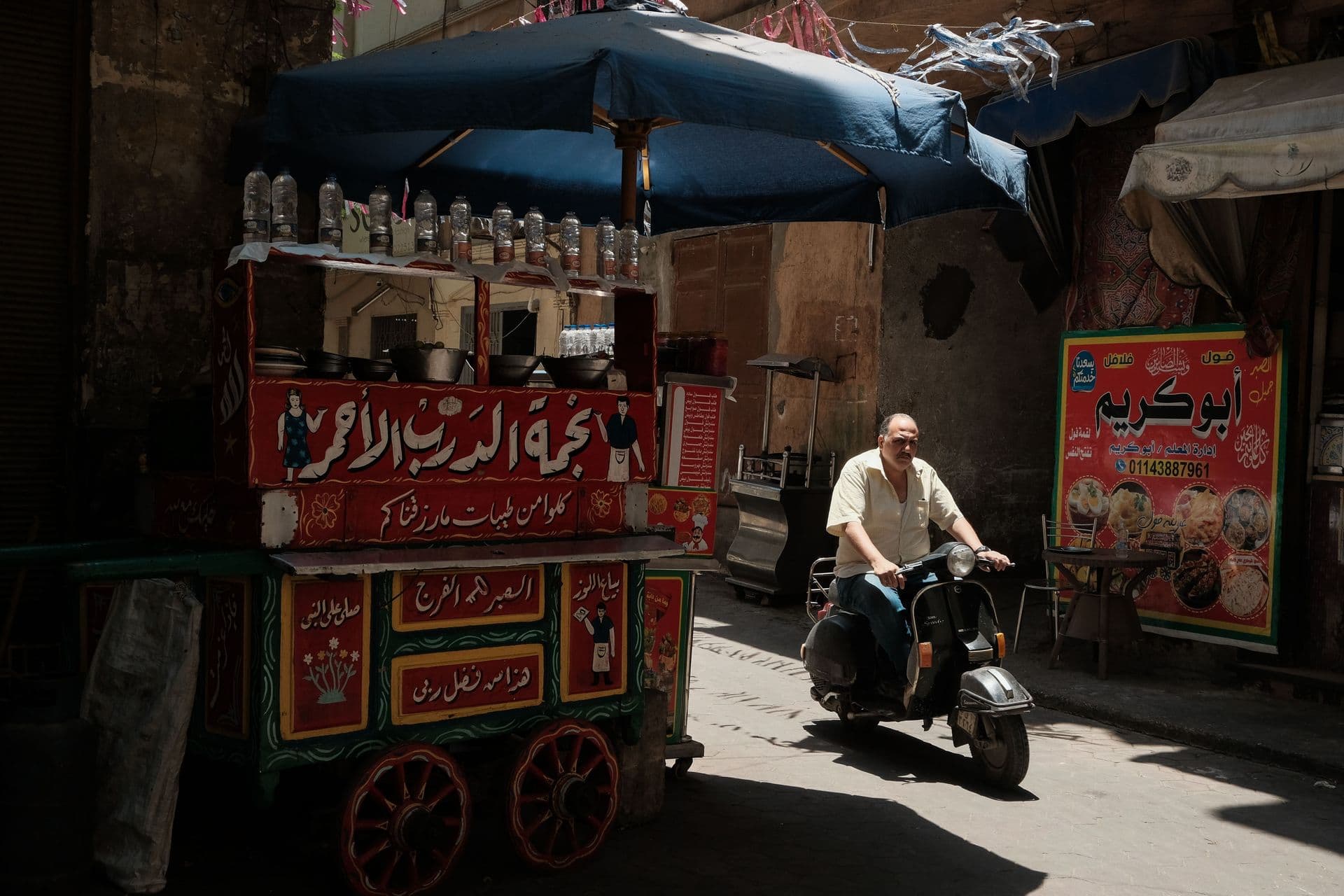
The traditional ahwa has been a cornerstone of Cairo’s social life since the Ottoman period. These modest coffeehouses, often tucked behind historic mosques or lining the narrow lanes of Old Cairo, serve coffee that resembles Turkish coffee: finely ground beans boiled in a small copper kanaka until a thick foam crowns the surface and a fine layer of grounds settles at the bottom. The ritual of stirring, waiting, and sipping is as much about community as it is about flavor, with patrons playing backgammon, debating politics, or simply watching the world drift by.
In recent years, a new generation of cafés has sprouted across neighborhoods such as Zamalek, Maadi, and Heliopolis, bringing specialty coffee techniques to the heart of the city. Baristas here source beans from Ethiopia, Kenya, and even boutique farms in Egypt’s own Sinai highlands, roasting them to highlight bright acidity, floral notes, or chocolatey depth. The result is a menu that ranges from classic espresso to pour‑over, cold brew, and inventive coffee cocktails. This coexistence of old‑school ahwas and modern roasters creates a dynamic coffee map that invites both locals and travelers to explore multiple eras in a single day.
Historic Cafés Worth a Visit
- Naguib Mahfouz Café – Nestled inside the labyrinthine Khan el‑Khalili bazaar, this café honors Egypt’s Nobel‑winning novelist while offering a glimpse of Cairo’s literary past. The décor features mirrored walls and intricate tiles, and the menu includes the traditional copper‑pot coffee alongside mint tea. It’s an ideal spot for a mid‑market pause, letting you soak up the bazaar’s energy while enjoying a strong, aromatic brew.
- Café Riche – Located in Downtown Cairo, Café Riche has been a gathering place for intellectuals, artists, and politicians since the early 20th century. Its high ceilings, marble tables, and vintage chandeliers evoke a bygone era of French‑inspired elegance. Order the classic Turkish‑style coffee and watch the city’s historic façade through the large windows—a perfect backdrop for people‑watching.
- Al‑Khayyamiyya Ahwa – Tucked in the Tentmakers’ Market of Old Cairo, this modest spot serves coffee that is as robust as the surrounding textiles. The copper kanaka pots sit on low tables where locals play backgammon, creating an authentic atmosphere that feels untouched by tourism. A quick espresso here feels like stepping back into a Cairo that has survived centuries of change.
Third‑Wave Gems in the City
- Bean & Leaf (Zamalek) – Housed in a renovated 1930s townhouse, Bean & Leaf blends heritage architecture with cutting‑edge coffee preparation. Their rotating single‑origin beans are roasted on‑site, and the baristas are happy to walk you through the tasting notes of each brew. The airy courtyard, dotted with potted herbs, makes it a favorite for remote work or leisurely reading.
- Cairo Roast (Heliopolis) – This sleek space emphasizes sustainability, sourcing beans from farms that practice shade‑grown cultivation. The menu highlights pour‑over and Aeropress methods, allowing the nuanced flavors of Ethiopian Yirgacheffe or Kenyan AA to shine. A small selection of Egyptian pastries, such as basbousa, pairs beautifully with the bright acidity of the coffee.
- Mokha Café (Maadi) – Known for its experimental drinks, Mokha offers coffee cocktails that blend espresso with local ingredients like hibiscus syrup or date‑infused milk. The barista team often hosts “cupping” sessions, inviting guests to compare different roast profiles—a great way to deepen your appreciation of Cairo’s evolving coffee palate.
How to Experience Cairo Coffee Culture Like a Local
1. Start with an Ahwa – Begin your day in a traditional coffeehouse. Order the copper‑pot coffee, let the grounds settle, and sip slowly. Take note of the surrounding chatter; the rhythm of conversation is as much a part of the experience as the drink itself.
2. Walk the Neighborhoods – After breakfast, stroll through nearby streets. In Downtown, you’ll find historic cafés side by side with modern bakeries. In Zamalek, the tree‑lined avenues are peppered with specialty shops, each offering a distinct vibe.
3. Try a Coffee Tasting – Many third‑wave cafés host informal tasting sessions. Ask the barista for a “cupping” menu and sample a few single‑origin coffees. This is an excellent way to discover the flavors that suit your palate, whether you prefer fruity acidity or deep chocolate notes.
4. Pair with Local Pastries – Complement your coffee with Egyptian sweets like kunafa, basbousa, or a simple piece of fresh baklava. The sweet, syrupy textures balance the bitterness of the brew and provide a true taste of the city’s culinary heritage.
5. End with a Nightcap – As the sun sets, head to a rooftop café in the upscale neighborhoods of New Cairo or Zamalek. The city’s skyline, illuminated by minarets and modern towers, creates a magical backdrop for a final espresso or a chilled cold brew.
Café Etiquette and Practical Tips
- Respect the Pace – In traditional ahwas, coffee is often served slowly, and patrons linger for hours. Feel free to stay, but keep your voice at a moderate level to maintain the relaxed atmosphere.
- Cash Is King – While many modern cafés accept cards, smaller ahwas typically operate on cash only. Carry a modest amount of Egyptian pounds for quick purchases.
- Mind the Dress Code – Most cafés are casual, but some historic venues, especially those located in heritage buildings, appreciate modest attire. A light scarf or long sleeves are a courteous choice.
- Stay Hydrated – Cairo’s climate can be hot, especially in summer. Balance your coffee intake with water, and consider ordering a mint tea, which is both refreshing and culturally significant.
Beyond Coffee: A Gateway to Cairo’s Vibrant Life
Cairo coffee culture is more than just a beverage; it’s a portal into the city’s layered identity. Each sip connects you to centuries of trade routes, colonial influences, and contemporary creativity. Whether you’re perched on a rooftop overlooking the Nile or tucked into a centuries‑old courtyard, the coffee you drink is a conversation between past and present.
For a deeper dive into the city’s culinary landscape, the Cairo Food Guide: Iconic Dishes and Where to Eat Them offers a comprehensive look at must‑try meals that pair perfectly with your coffee adventures. If you’re planning to explore beyond the urban core, consider a sunset desert excursion—details are available in the Cairo Desert Day Tour: Camel Trekking and ATV Adventure, which makes for an unforgettable contrast to the bustling café streets.
Final Thoughts
Cairo coffee culture invites you to linger, observe, and savor. From the thick, aromatic brews of historic ahwas to the meticulously crafted cups of specialty roasters, the city’s cafés serve as cultural crossroads where tradition meets innovation. By wandering through the neighborhoods, engaging with baristas, and tasting the diverse offerings, you’ll discover a side of Cairo that pulses with creativity, hospitality, and the timeless joy of a good cup of coffee.