Luxor is a living museum where the ancient world meets the bustling rhythm of the Nile. For history lovers, a well‑planned 48 hour Luxor itinerary can turn a short stay into a deep dive through pharaohs, gods, and centuries‑old art. By splitting your time between the East Bank’s monumental temples and the West Bank’s royal tombs, you’ll experience the city’s most iconic sites without feeling rushed.
Day 1 – East Bank: Temples and the Riverfront
Morning – Karnak Temple Complex
Start early, ideally before 8 am, to beat the heat and the crowds. Karnak is the largest religious site on the planet, a sprawling maze of hypostyle halls, towering obelisks, and sacred lakes. Follow the main axis from the massive Great Hypostyle Hall, where 134 massive columns create a forest of stone, to the Sacred Lake where ancient priests once performed purification rituals. Take time to explore the lesser‑known Chapelle Rouge and the Open Air Museum of statues, which give a quieter glimpse of the complex’s layered history.
Mid‑morning coffee break
A short walk along the Nile Corniche leads to a riverside café. Sip a mint tea while watching feluccas glide by; the view of the river framed by the distant silhouette of Luxor Temple sets a perfect mood for the day ahead.
Late morning – Luxor Temple
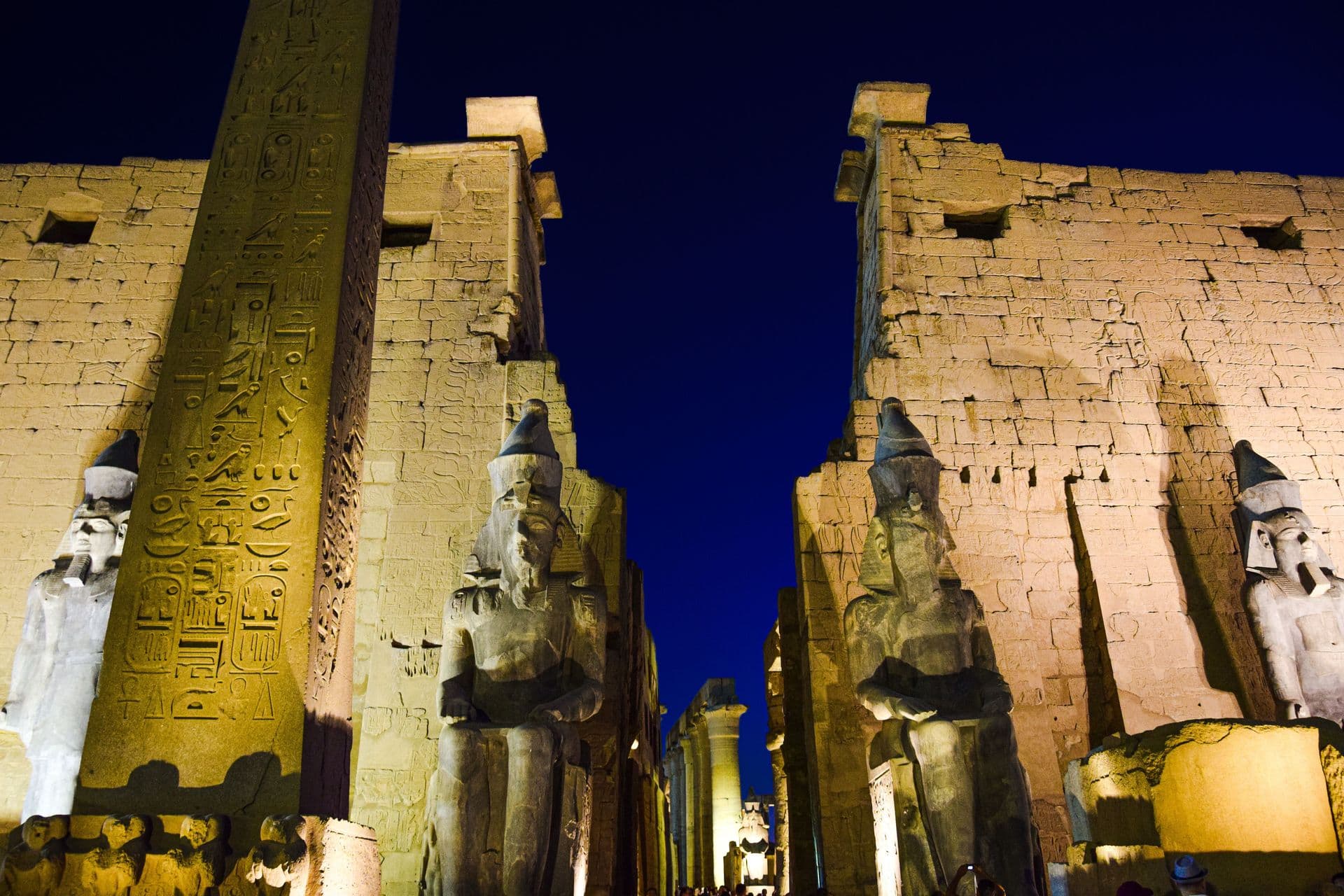
Cross the Avenue of Sphinxes, a 2.7‑km processional walkway that once linked Karnak to Luxor Temple. The temple itself, built by Amenhotep III and later expanded by Ramesses II, is famed for its massive pylons and the striking statue of the god Amun‑Re. Inside, the hypostyle hall’s towering columns are illuminated by shafts of sunlight that create a dramatic play of light and shadow—ideal for photography. If you can stay until sunset, the temple’s illuminated façade offers a magical backdrop for evening shots.
Lunch with a view
Head back toward the river and enjoy a leisurely lunch at a rooftop restaurant overlooking the Nile. Many venues serve traditional Egyptian dishes such as koshari, grilled kofta, and fresh salads, all while you watch the river’s gentle flow.
Afternoon – Museum time
After lunch, cross the Nile by short ferry ride to the Luxor Museum on the East Bank. The museum houses a curated selection of artifacts, including a few pieces from the tomb of King Tutankhamun. The displays are organized chronologically, making it easy to trace the evolution of art and burial customs from the Old Kingdom through the Greco‑Roman period. The museum’s clear labeling and modest size provide a focused, informative experience without the overwhelm of larger institutions.
Evening – Sunset and Night Lights
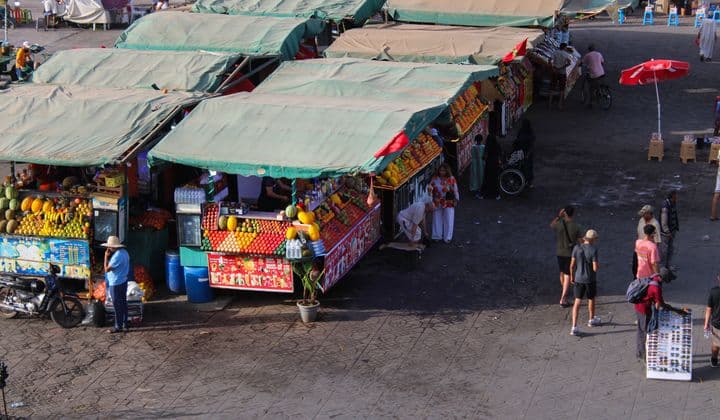
Return to Luxor Temple for the nightly sound‑and‑light show, or simply find a rooftop spot to watch the sun dip behind the temple’s columns. The golden hour casts a warm glow over the sandstone, highlighting the intricate carvings and giving the whole site a timeless feel. End the night with a relaxed dinner in the bustling Luxor Souk, where you can sample street‑food delicacies and browse stalls selling spices, papyrus, and handcrafted jewelry.
Day 2 – West Bank: Tombs, Temples, and the Colossi
Early start – Valley of the Kings
Catch the first ferry across the Nile to the West Bank. The Valley of the Kings is the burial ground of New Kingdom pharaohs, and a standard ticket grants access to three tombs. Choose a mix of famous and lesser‑known sites: the opulent tomb of Tutankhamun’s successor, Seti I, offers vivid wall paintings, while the tomb of Ramesses VI provides a quieter, more intimate experience. Remember to bring a flashlight for the deeper chambers and wear comfortable shoes for the uneven terrain.
Mid‑morning – Temple of Hatshepsut (Deir el‑Bahari)
A short drive from the valley brings you to the mortuary temple of Hatshepsut, the remarkable female pharaoh. Built into the cliffs of Deir el‑Bahari, the temple’s terraces rise dramatically against the desert backdrop. The colonnaded terraces and reliefs depicting Hatshepsut’s divine birth are especially striking in the morning light. Take a moment to explore the surrounding gardens, which were once part of a larger complex of shrines and statues.
Lunch on the West Bank
Enjoy a relaxed meal at a local restaurant near the temple. Many establishments serve fresh fish from the Nile, along with traditional salads and flatbreads. This is a good time to recharge before the afternoon’s highlights.
Afternoon – Colossi of Memnon and Medinet Habu
After lunch, walk a short distance to the Colossi of Memnon, two massive stone statues that once guarded the entrance to Pharaoh Amenhotep III’s mortuary temple. Their sheer size (each over 18 m tall) makes for an impressive photo opportunity. Continue to Medinet Habu, the well‑preserved temple of Ramesses III, known for its vivid reliefs depicting battles against the Sea Peoples. The temple’s fortified walls and detailed carvings provide insight into the military and religious life of the late New Kingdom.
Late afternoon – Return to the East Bank
Take the ferry back across the Nile, allowing time to reflect on the day’s discoveries while watching the river’s tranquil flow. If you have energy left, a brief stroll along the East Bank’s promenade offers a peaceful end to the day.
Evening – Relax by the Nile
Conclude your 48 hour Luxor itinerary with a leisurely dinner at a riverside restaurant. Opt for a spot that offers live traditional music; the gentle oud strings and rhythmic tabla drums create an authentic atmosphere that complements the historic surroundings. A final walk along the illuminated banks, with the silhouettes of the temples reflected in the water, provides a fitting farewell to the city of ancient wonders.
Practical Tips for a Smooth Two‑Day Adventure
- Transportation: The most efficient way to move between banks is the regular ferry service; it runs frequently and offers scenic views. For longer distances on the West Bank, consider hiring a private driver or joining a short guided tour to maximize time.
- Dress code: Modest clothing is advisable for temple visits—shoulders and knees should be covered. Light, breathable fabrics work best in the desert climate.
- Tickets: Purchase a combined ticket for Karnak and Luxor temples to save time at the ticket windows. Separate tickets are required for the Valley of the Kings and Hatshepsut’s temple.
- Guides: Hiring a knowledgeable guide for the West Bank sites can enrich your understanding of the tombs’ symbolism and the historical context of the monuments.
- Hydration: Carry a reusable water bottle; the sun can be intense, especially during the midday hours.
Extend Your Exploration
If you find yourself with extra time, consider a day trip to the nearby Marrakech Atlas Sahara itinerary: 7-Day Cultural Immersion for a contrasting desert experience, or explore the vibrant markets of Tetouan Weekend Itinerary for First-Time Visitors to compare North African cultural flavors.
Luxor’s compact yet richly layered landscape makes it the perfect destination for a focused, 48 hour Luxor itinerary. By following this plan, history enthusiasts can walk the same stone‑paved avenues once trodden by pharaohs, marvel at the artistry of ancient tombs, and soak in the timeless beauty of the Nile—all within two unforgettable days.