A tetouan 3‑day itinerary offers a compact yet richly layered glimpse of a city where Andalusian elegance, Rif mountain charm, and Mediterranean breezes converge. Nestled at the foot of the Rif foothills, Tetouan’s UNESCO‑listed medina, Spanish‑era architecture, and vibrant culinary scene make it an ideal base for travelers seeking history, culture, and flavor without the crowds of larger Moroccan metropolises. Below is a thoughtfully paced three‑day plan that balances guided exploration, leisurely meals, and moments to simply soak in the city’s unique atmosphere.
Day 1 – Immersive Medina and Heritage Museums
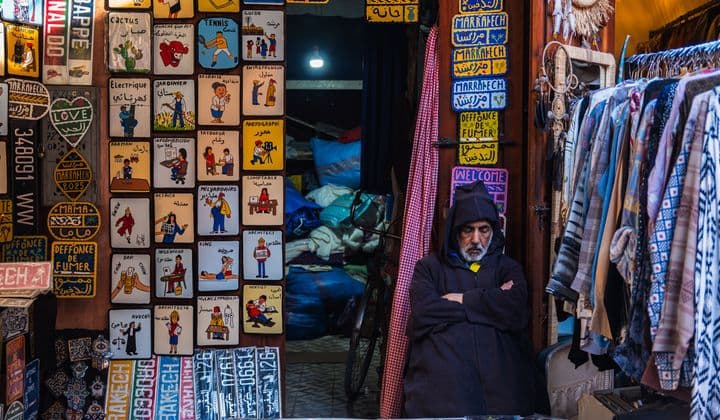
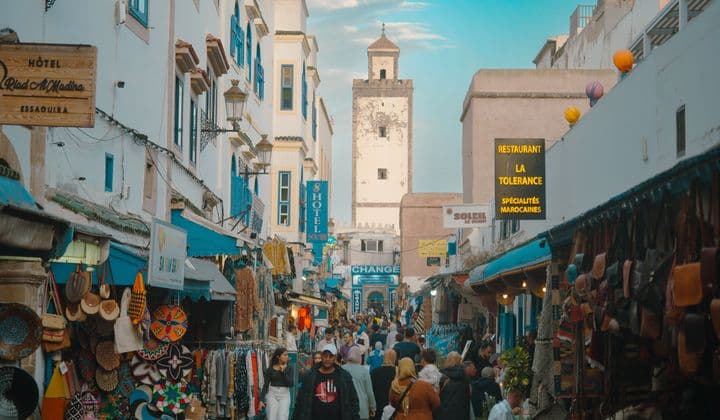
*Morning: Guided walk through the historic medina* Begin your adventure at the heart of Tetouan – the labyrinthine medina, often called the “white dove of the Mediterranean.” A knowledgeable local guide will lead you through its narrow alleys, past the famed Seven Doors (the original entry points that gave the medina its name) and bustling souks where residents shop for everyday goods. Take time to admire the intricate whitewashed façades, carved wooden doors, and the subtle Spanish influence that distinguishes Tetouan’s old town from those of Fez or Marrakech.
*Midday: Traditional lunch inside the medina* After a morning of wandering, settle into a family‑run restaurant tucked away in a quiet courtyard. Here you can savor classic dishes such as tagine with preserved lemons, couscous topped with seasonal vegetables, and a glass of freshly squeezed orange juice. The setting—often a modest stone building with a shaded patio—offers an authentic taste of daily life for Tetouan’s locals.
*Afternoon: Archaeological Museum and Ethnographic Museum* Post‑lunch, head to the Archaeological Museum, housed in a former 16th‑century fortress. Its modest collection traces the region’s pre‑Islamic roots, including artifacts from the ancient Roman settlement of Tamuda, whose ruins lie a short drive southeast of the city. Adjacent to it, the Museum of Moroccan Arts and Crafts (also known as the Ethnographic Museum) showcases traditional dress, musical instruments, embroidery, and tile work, providing a vivid picture of the cultural tapestry woven by Berber, Arab, and Andalusian influences.
*Evening: Dinner in a restored riad* Conclude the day with dinner at a beautifully restored riad within the medina walls. The courtyard setting, often illuminated by lanterns and fragrant with orange blossoms, creates an intimate ambience. Sample a selection of mezze—small plates of olives, preserved lemons, spiced olives, and grilled sardines—paired with a glass of Moroccan mint tea. The evening’s relaxed pace allows you to reflect on the day’s discoveries while the call to prayer gently echoes through the narrow streets.
Day 2 – Spanish Quarter, Art, and Culinary Delights
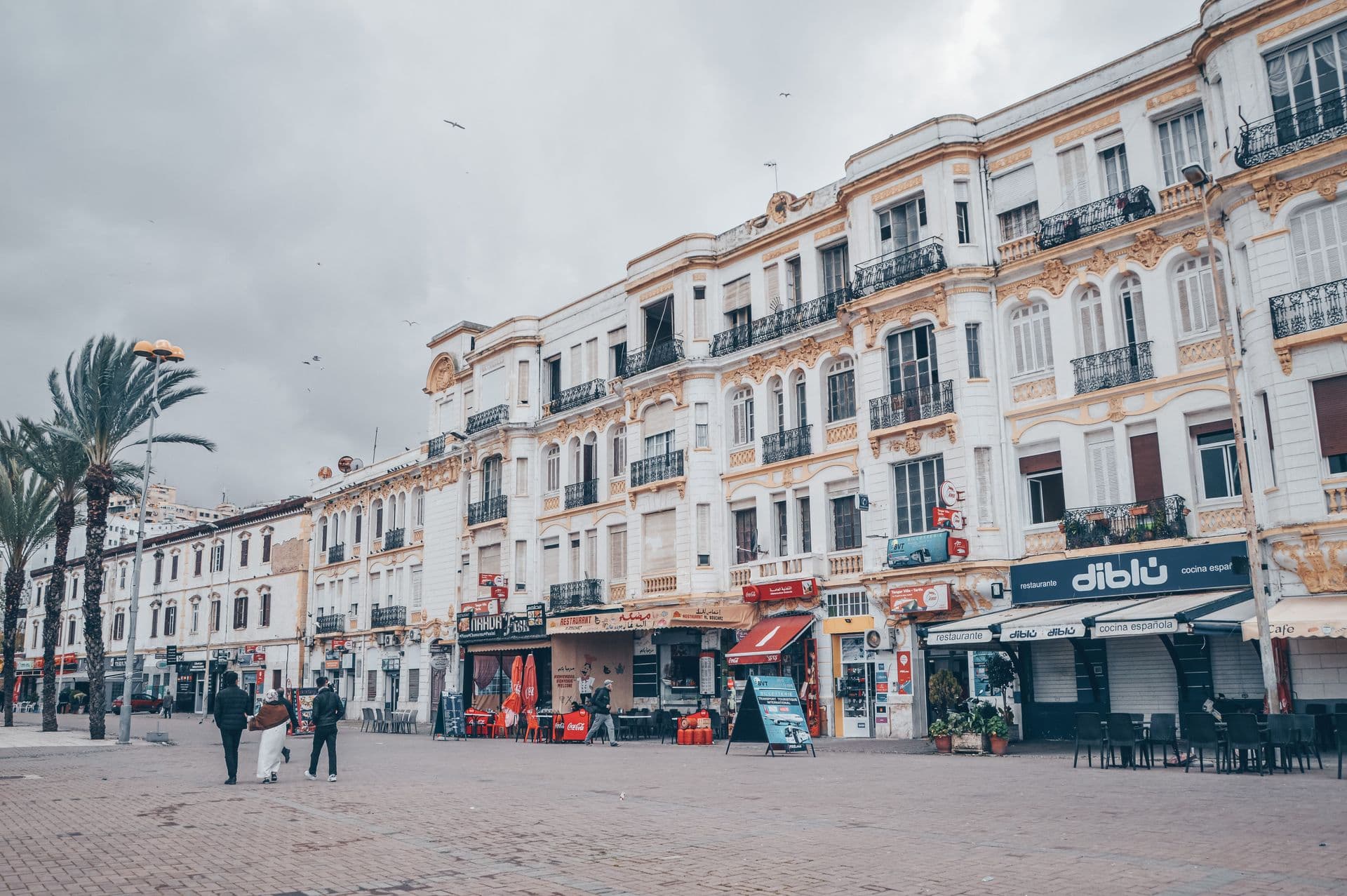
*Morning: Walking tour of the Spanish Ensanche* Tetouan’s Spanish protectorate era left a distinctive imprint on the city’s layout. Begin the day with a stroll through the Ensanche, the wide, grid‑like district built by Spanish planners in the early 20th century. Notice the elegant Art Deco façades, the former Spanish casino, and the imposing Our Lady of Victory Church, whose neo‑Gothic spire stands out against the Mediterranean sky. The contrast between the orderly streets of the Ensanche and the winding alleys of the medina highlights Tetouan’s dual heritage.
*Midday: Lunch at a café on Place Moulay El Mehdi* For lunch, choose a café that blends Spanish and Moroccan flavors on Place Moulay El Mehdi. Here you can enjoy tapas‑style dishes—such as patatas bravas, chorizo slices, and grilled halloumi—alongside traditional Moroccan salads. The square’s lively atmosphere, with locals sipping coffee and watching the world go by, offers a perfect spot for people‑watching.
*Afternoon: Modern Art Museum and Plaza Primo* After lunch, visit the Modern Art Museum, a modest venue that showcases works by contemporary Moroccan artists, many of whom draw inspiration from Tetouan’s unique cultural crossroads. From there, wander to Plaza Primo, a small but bustling hub within the medina where tiny eateries serve freshly baked breads, harira soup, and sweet pastries. This is an ideal place to snack on a warm msemen (Moroccan pancake) while observing the rhythm of daily market life.
*Evening: Refined dinner at El Reducto or Riad El Reducto* For a more upscale dining experience, book a table at El Reducto or its sister venue, Riad El Reducto. Set in historic surroundings, these restaurants blend Andalusian décor with modern culinary techniques. The menu often features seafood caught fresh from the nearby Mediterranean—think grilled seabream with preserved lemon and herbs—accompanied by a selection of Moroccan wines. End the meal with a traditional dessert such as pastilla au lait, a delicate custard‑filled pastry dusted with powdered sugar.
Day 3 – Architectural Gems, Coastal Breeze, and Local Markets
*Morning: Royal Palace exterior and Place Hassan II* Start the final day at Place Hassan II, the city’s grand central square framed by administrative buildings and a handful of cafés. While the Royal Palace itself remains closed to the public, its exterior—topped with striking green tiles and an ornate gateway—offers a photo‑worthy glimpse of Morocco’s regal architecture. The square’s open space is perfect for a leisurely coffee break, perhaps at a café that serves freshly brewed Arabic coffee and a slice of almond‑spiced cake.
*Midday: Visit the Dar Riffien Barracks and Our Lady of Victory Church* A short walk from the square brings you to the historic Dar Riffien Barracks, a former military complex that now houses cultural exhibitions and occasional art fairs. Nearby, the Our Lady of Victory Church invites quiet contemplation; its stained‑glass windows and vaulted ceilings reflect the city’s layered religious history.
*Afternoon: Tamuda archaeological site and Mediterranean coast* In the early afternoon, take a short drive (about 4 km) to the Tamuda archaeological site, where the remnants of a Roman‑era settlement lie on the south side of Oued Martil. The site offers a tangible connection to the ancient Berber and Roman presence that predates Tetouan’s Andalusian foundation. After exploring the ruins, head to Tamuda Bay for a brief coastal interlude. The sandy beach, framed by gentle waves of the Mediterranean, provides a refreshing contrast to the city’s stone streets. A quick dip or a stroll along the promenade can be a perfect way to unwind before the evening.
*Evening: Farewell dinner in the medina* Return to the medina for a final dinner at a local restaurant that specializes in home‑cooked cuisine. Opt for a hearty tagine of lamb with prunes and almonds, accompanied by a side of fluffy couscous. The meal, served in a modest dining room with low tables and traditional décor, encapsulates the warmth and hospitality that define Tetouan’s everyday life. End the night with a glass of sweet mint tea, savoring the lingering flavors of the city.
Practical Tips for Your Tetouan 3‑Day Itinerary
- Getting around: Tetouan’s compact historic center is best explored on foot. For trips to the outskirts—such as Tamuda Bay or the archaeological site—taxis or a hired driver are convenient and reasonably priced.
- Language: While Arabic and Berber are the official languages, many locals in the medina and the Spanish quarter speak Spanish or French, reflecting the city’s multicultural past.
- Dress code: Respectful attire is appreciated, especially when visiting religious sites like the Royal Palace exterior or the Our Lady of Victory Church. Light, modest clothing that covers shoulders and knees works well.
- Timing: Allocate at least two full days for the medina and its museums; a third day allows you to enjoy the Spanish quarter, coastal views, and nearby archaeological sites without feeling rushed.
- Culinary notes: Tetouan’s cuisine blends Moroccan spices with Andalusian influences. Don’t miss trying preserved lemon dishes, fresh seafood, and the city’s signature mint tea, often served with a generous helping of sugar.
- Cultural etiquette: The call to prayer punctuates daily life. During prayer times, it’s courteous to lower your voice in public spaces and avoid entering mosques unless you are invited.
With this balanced blend of guided history, artistic discovery, and flavorful dining, your tetouan 3‑day itinerary will leave you with a deep appreciation for a city that quietly preserves its Andalusian soul while thriving as a vibrant Moroccan hub. Whether you’re wandering the white‑washed lanes of the medina, sipping tea in a sun‑dappled courtyard, or listening to the gentle surf at Tamuda Bay, Tetouan invites you to open your eyes—and your heart—to a truly distinctive corner of Morocco.