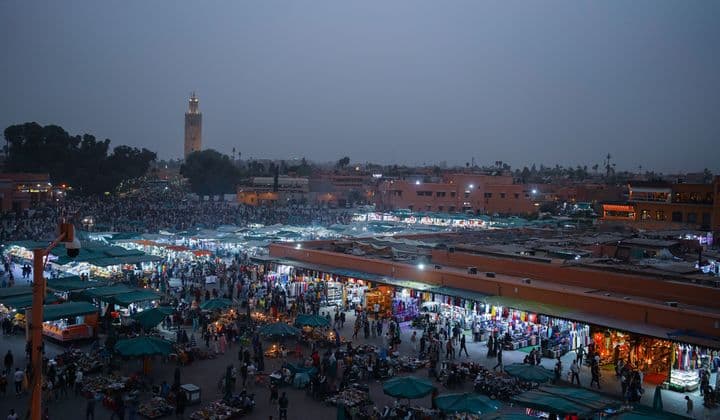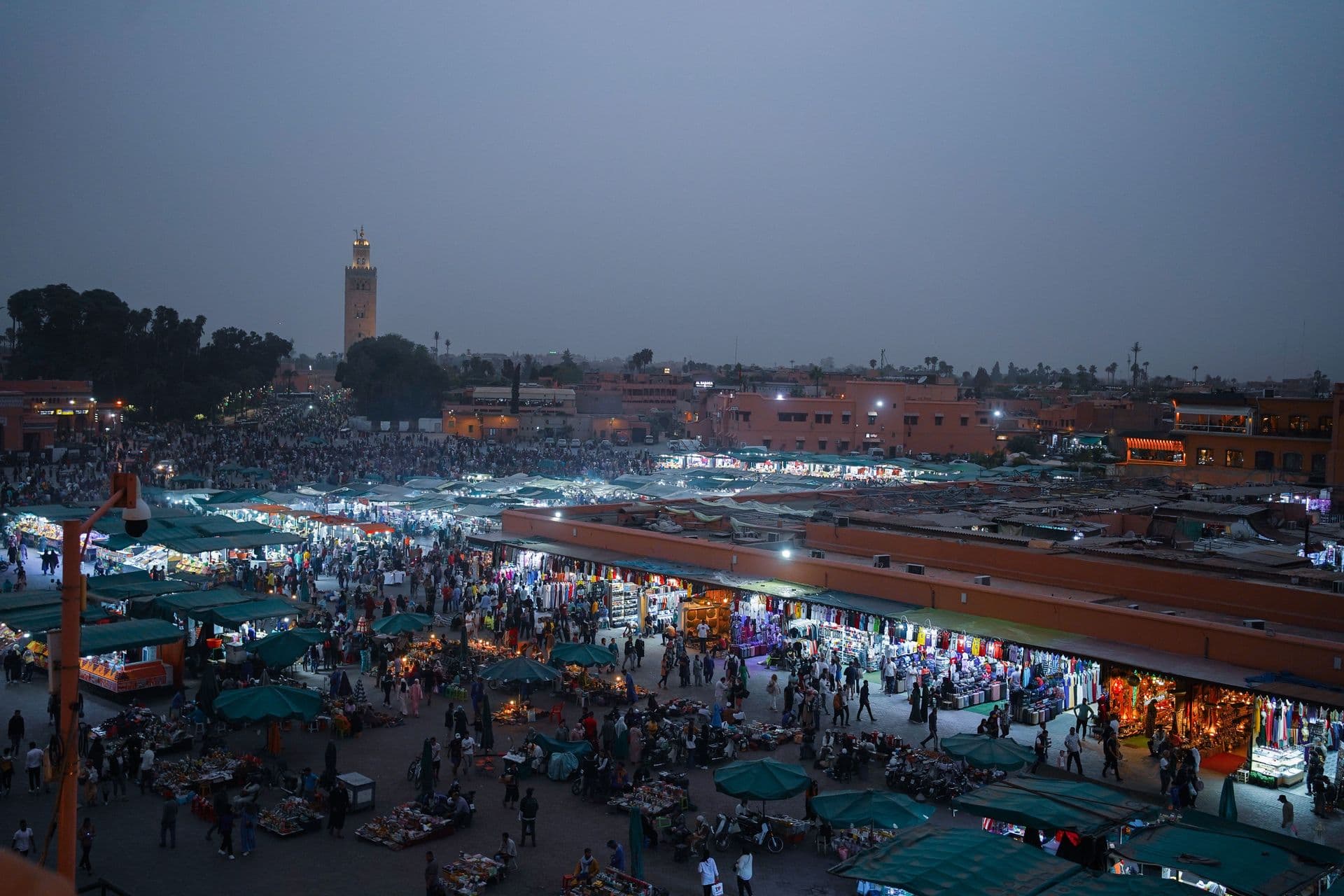
An Essaouira day trip from Marrakech is the perfect antidote to the red‑toned bustle of the Red City. In just a few hours you trade the scent of spices for salty sea breezes, wander narrow medina lanes lined with whitewashed walls, and watch the Atlantic waves crash against historic ramparts. The journey, roughly a 2.5‑hour drive each way, fits comfortably into a single day, allowing you to experience a coastal oasis without the need for overnight packing.
Getting There – Options and Logistics
- Private car or minivan – Most guided operators provide air‑conditioned transport that departs early from a central Marrakech hotel or meeting point. The route follows the scenic N8 highway, crossing the Atlas foothills before opening onto the Atlantic coast.
- Shared shuttle – Budget‑friendly shuttles run several times daily, picking up passengers at designated Marrakech stops. Seats fill quickly in high season, so early reservation is advisable.
- Self‑drive – Renting a car gives you flexibility to linger at roadside viewpoints. The drive is straightforward: follow signs for Essaouira, keep an eye on speed limits, and enjoy occasional desert‑to‑coast vistas.
Regardless of the mode, plan to leave Marrakech by 8 am to arrive in Essaouira around 10:30 am, giving you ample daylight for the main attractions.
Typical Itinerary – What a Full Day Looks Like
- Morning departure (8:00 am) – Meet your guide, board the vehicle, and enjoy a brief orientation about the region’s history and geography.
- Scenic drive (8:30 am – 10:30 am) – Pass through the foothills of the Atlas, with occasional stops for photos of the rolling countryside and the Atlantic horizon.
- Arrival in Essaouira (≈10:30 am) – Disembark at the city gates and begin the guided walk through the UNESCO‑listed medina.
- Historical tour (10:45 am – 12:30 pm) – Explore the Portuguese ramparts, the iconic Skala de la Ville, and the bustling fish market where daily catches are displayed on ice.
- Lunch break (12:30 pm – 1:30 pm) – Savor fresh seafood at a local restaurant overlooking the harbor; dishes often feature grilled sardines, shrimp tagine, and a drizzle of preserved lemon.
- Afternoon leisure (1:30 pm – 4:30 pm) – Choose between a relaxed beach stroll, a windsurfing lesson, or a visit to artisan workshops such as the Thuya cooperage and Argan oil cooperatives.
- Return to Marrakech (4:30 pm – 7:00 pm) – Depart Essaouira in the late afternoon, arriving back in Marrakech as the sun sets over the Atlas foothills.
Tour operators may adjust timings slightly, but the core structure remains consistent, ensuring you experience the town’s highlights without feeling rushed.
Historical Highlights – Walking Through Time
- Portuguese Ramparts – Built in the early 16th century, these stone walls encircle the medina and offer panoramic views of the Atlantic. The bastions are punctuated by cannons that once defended the harbor from pirate attacks.
- Skala de la Ville – A fortified sea wall lined with cannons and wooden balconies. The gentle sea breeze and the rhythmic sound of waves create a tranquil backdrop for photos.
- Orson Welles Square – Named after the American director who filmed “Othello” here, the square is a lively gathering spot surrounded by cafés and street performers.
- Jewish Quarter (Mellah) – Narrow lanes host historic synagogues and vibrant markets where you can glimpse traditional Moroccan‑Jewish craftsmanship.
Each site is within walking distance of the main gate, allowing a guided group to move at a comfortable pace while absorbing stories of Portuguese colonization, Berber trade routes, and the town’s evolution into a UNESCO World Heritage site.
Cultural and Sensory Experiences
- Souks and Artisan Workshops – The medina’s labyrinthine souks are famed for thuya wood carving, silver jewelry, and hand‑woven textiles. Many workshops welcome visitors to watch artisans at work and purchase directly from the makers.
- Fish Market (Port de la Ville) – Early mornings reveal a bustling market where fishermen unload the day’s catch. The sight of glistening sardines, octopus, and sea bass, paired with the salty air, is quintessentially Essaouira.
- Seafood Cuisine – Restaurants along the harbor serve dishes prepared with locally sourced fish, often grilled on open flames and seasoned with preserved lemons, cumin, and fresh herbs.
- Music and Nightlife – While a day trip may not extend into the evening, the town’s reputation for Gnawa music means you’ll often hear rhythmic drums echoing through the streets during the afternoon.
Active Options – From Beach to Board
- Wind and Surf – Essaouira’s steady Atlantic breezes make it a premier windsurfing destination. Local schools offer short lessons and board rentals for beginners, while seasoned riders can head to the expansive beach for a longer session.
- Horseback Riding – Guided rides along the shoreline provide a unique perspective of the dunes and the historic fortifications.
- Cycling Tours – Rent a bike to explore the coastal promenade, stopping at the lighthouse and the historic port.
These activities can be woven into the afternoon segment of the itinerary, allowing you to balance cultural immersion with physical adventure.
Practical Tips for a Smooth Day
- What to Pack – Comfortable walking shoes, a hat, sunscreen, and a reusable water bottle are essential. A light jacket is advisable for the breezy coastal afternoon, even in summer.
- Currency – While many shops accept credit cards, small vendors and market stalls often prefer cash in Moroccan dirhams. Having a modest amount on hand simplifies purchases.
- Language – Arabic and Berber are the primary languages; French is widely spoken in tourist areas. A few basic phrases in Arabic (e.g., “Salam alaykum” for hello) are appreciated by locals.
- Timing – The best months for a day trip are spring (March–May) and autumn (September–November) when temperatures are moderate and the wind is steady but not overpowering.
- Health & Safety – The town is generally safe for tourists. Keep an eye on personal belongings in crowded markets, and stay hydrated, especially if you plan to engage in water sports.
Choosing a Guided Operator
- Reputation – Look for operators with positive reviews that emphasize knowledgeable guides, punctuality, and well‑maintained vehicles.
- Group Size – Smaller groups (8–12 people) often allow for a more personalized experience and easier navigation through narrow medina lanes.
- Inclusions – Verify that the price covers transport, guide fees, entrance to any museums or sites, and at least one meal. Some tours also include a short workshop or a windsurfing session.
Selecting a reputable guide ensures you receive insightful commentary, seamless logistics, and the flexibility to linger at spots that capture your interest.
Beyond the Day Trip – Extending Your Coastal Experience
If the coastal charm of Essaouira leaves you yearning for more, consider a multi‑day stay to explore nearby attractions:
- Argan Oil Cooperatives – Visit rural villages where women press argan nuts into oil, learning about traditional methods and supporting local economies.
- Sidi Kaouki Beach – A quieter stretch of sand popular with surfers and kite‑boarders, reachable by a short taxi ride from Essaouira.
- Mogador Island – Boat tours offer a glimpse of seabird colonies and the chance to snorkel in clear Atlantic waters.
These extensions can be arranged through the same tour operator or independently, depending on your travel style.
Final Thoughts
An Essaouira day trip from Marrakech delivers a compact yet richly layered experience: historic fortifications, vibrant markets, fresh seafood, and the invigorating Atlantic breeze—all within a manageable travel window. By planning ahead, choosing a reliable guide, and packing appropriately, you’ll transition smoothly from Marrakech’s red‑brick medina to Essaouira’s blue‑washed harbor, returning with a refreshed spirit and a collection of unforgettable seaside memories.